

Why Skin Feels Tight After Cleansing and What to Change
That squeaky-tight feeling after cleansing is not proof of a deeper clean. Learn what causes it and how to make...
read more 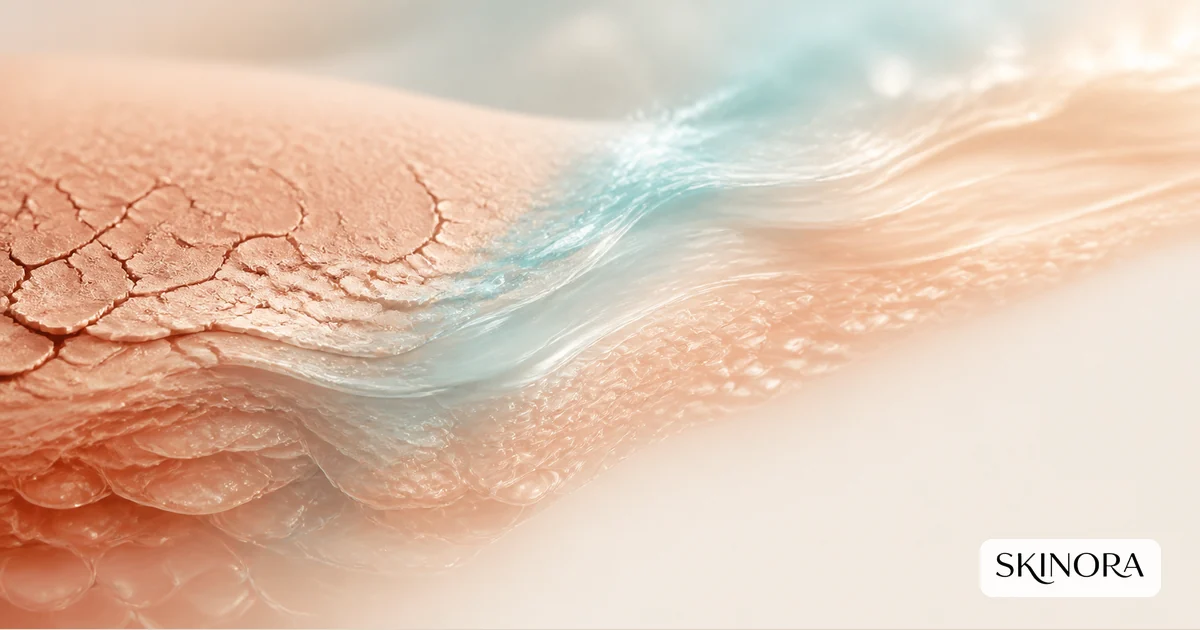
If products that were previously comfortable suddenly sting, your face feels tight after washing, or dryness and flaking appear after several active products, your skin barrier may be impaired. The practical response is to pause irritation, simplify the routine and support the skin while it settles.
“Damaged barrier” is a useful description, not a diagnosis. Persistent redness, severe itching, swelling, oozing, pain or a spreading rash can have other causes and should be assessed by a dermatologist.
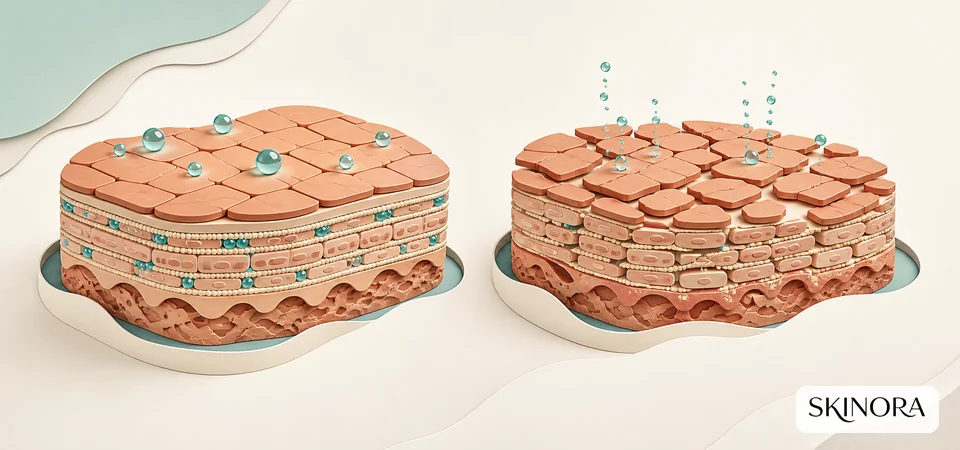
The outermost layer of skin, the stratum corneum, limits water loss and helps keep irritants out. Its cells sit in a lipid-rich matrix often compared with bricks and mortar. Cleansing, climate and active products can influence how well this system works.
These signs overlap with eczema, rosacea, allergic contact dermatitis and other conditions. If the pattern is strong, recurrent or unclear, professional assessment matters.
The most frequent cause is cumulative irritation rather than one dramatic event. Examples include:
For a short reset, pause exfoliating acids, scrubs, retinoids and strong fragranced products. Do not add several “repair” serums at once; a quiet routine makes it easier to identify what helps.
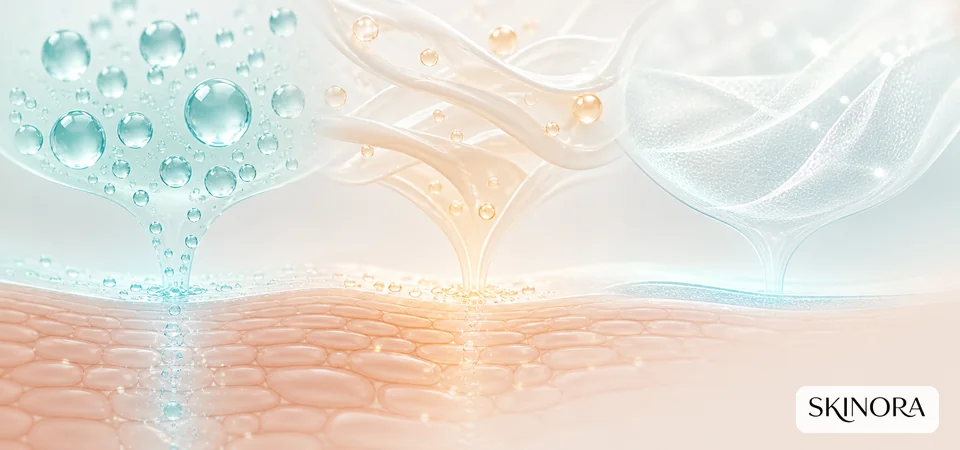
Moisturizers may combine three useful groups:
Ceramides are normal components of the outer barrier. Niacinamide can also support barrier function, but a stinging high-strength serum is not a good choice during an irritated phase. Formula, concentration and the rest of the ingredient list matter more than a fashionable ingredient name.
Skinora’s English catalog currently includes The Ordinary Natural Moisturizing Factors + HA, The Ordinary Soothing & Barrier Support Serum and The Ordinary Squalane Cleanser. These are examples for product discovery, not treatments for a diagnosed skin disease. Verify current availability and follow the product label.
There is no fixed deadline. Mild irritation may improve within days after the trigger is removed, while more pronounced or recurrent symptoms can take longer. Improvement should look like less stinging, less tightness and better comfort, not simply a temporary oily film.
If the skin continues to worsen despite a minimal routine, stop experimenting and seek medical advice.
Arrange an assessment if you have swelling, blisters, oozing, cracked or bleeding skin, intense itching, eye involvement, signs of infection, or symptoms that persist or recur. Sudden facial swelling or breathing difficulty requires urgent care.
Yes. Oiliness and dehydration can occur together. Stripping oily skin aggressively can increase discomfort without solving the underlying concern.
During obvious irritation, temporarily pausing the likely irritants is sensible. Prescription treatments should not be changed without guidance from the clinician who prescribed them.
No. An occlusive layer can reduce water loss, but it can feel heavy and may not suit acne-prone skin. A well-tolerated moisturizer is the foundation.