

Must-Have Makeup Essentials
Step into a world where ethereal beauty meets timeless elegance – the world of moonstone jewelry. With its enchanting play...
read more 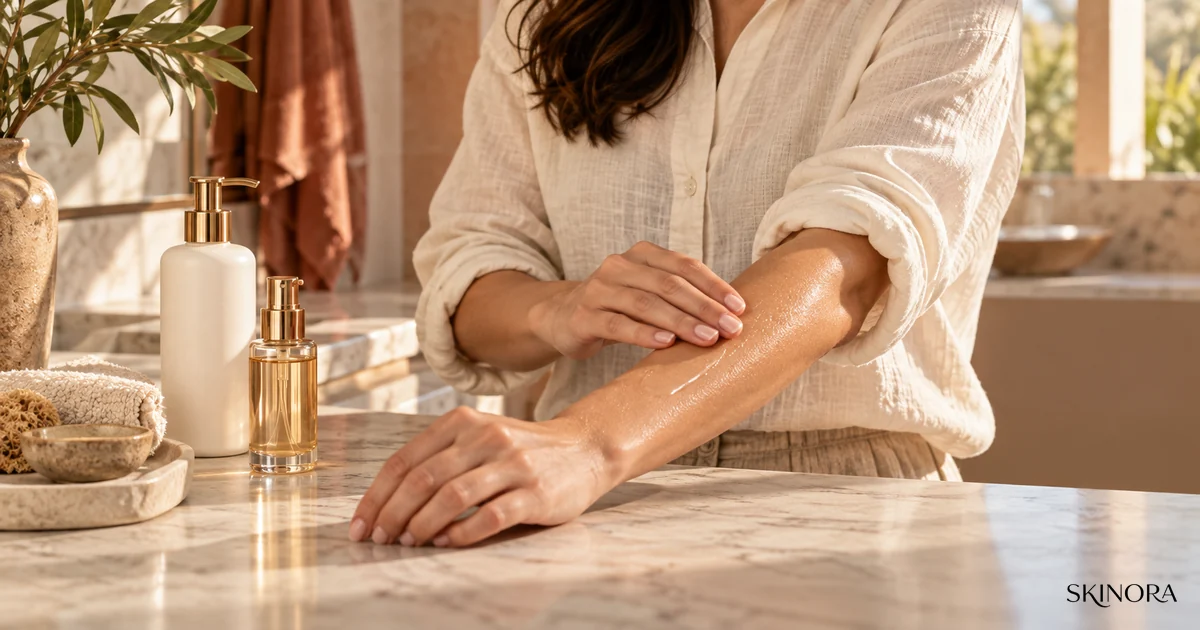
Body serum has moved from a niche format to one of 2026’s most visible body-care trends. Search and social data collected by Spate show body serums growing alongside retinol body creams and serum body washes. The shift is often called skinification: people are applying the ingredient-focused logic of facial skincare below the neck. That can make body care more useful, but it can also turn one moisturising step into an unnecessarily complicated routine.
A body serum is typically light, fast-spreading and designed around humectants or a targeted active. A lotion is an emulsion with water plus oils or lipids and usually reduces water loss more effectively. A cream or balm is richer again. These are product-development conventions, not strict legal categories, so always read the formula.
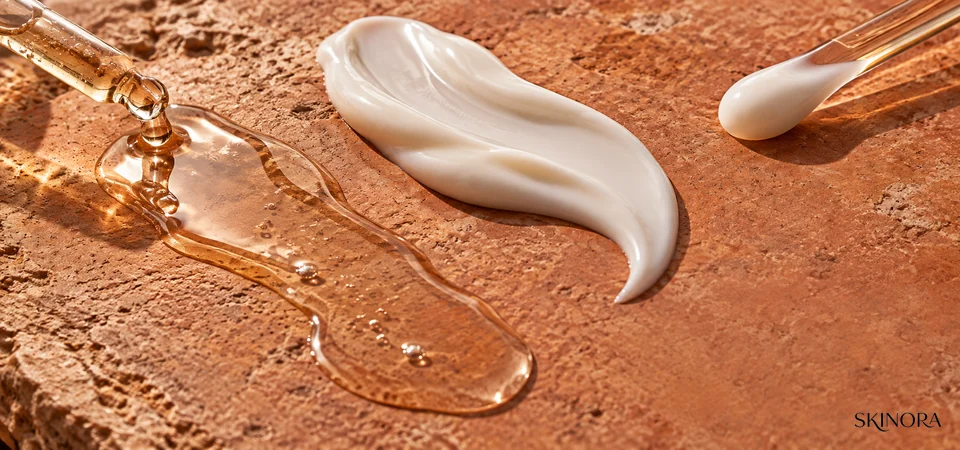
For simple dryness, lotion may be all you need. For dehydration, a glycerin-rich serum under lotion can add water-binding support. For uneven-looking tone or rough texture, a serum may carry niacinamide, lactic acid or another active, while the lotion restores comfort.
Not automatically. If one lotion leaves the skin comfortable until the next shower, adding a serum mainly adds cost and time. Layer both when the serum has a clear purpose and the lotion prevents dryness or irritation.
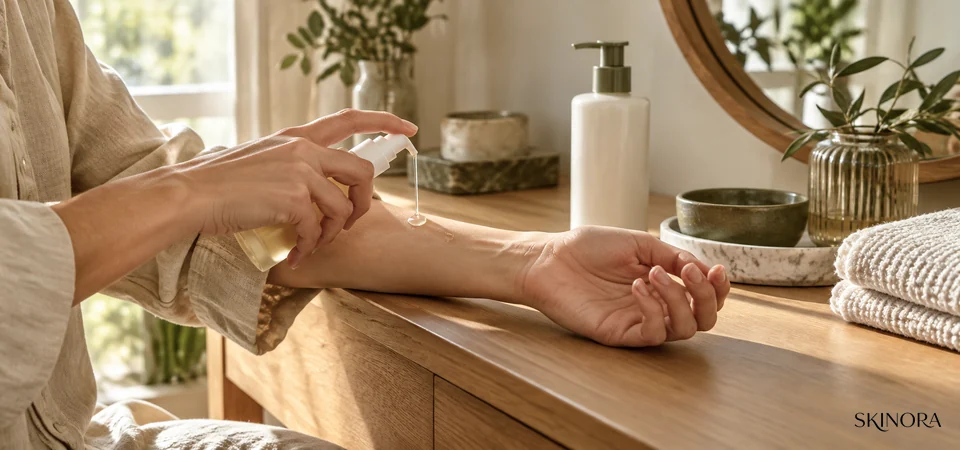
Apply the lighter serum first and lotion second. The easiest moment is after showering on slightly damp, not dripping, skin. This follows the same practical logic as our guide to hyaluronic acid on damp skin: add water-binding ingredients, then use an emollient layer to slow evaporation.
For dry or tight body skin, look for glycerin, urea at an appropriate strength, ceramides, petrolatum, shea butter or squalane. For rough bumps, exfoliating acids can help some people, but more is not better. Start a few times a week and avoid using an acid serum immediately after shaving.
For uneven-looking tone, niacinamide can be a gentler option than aggressive acid routines. The in-stock The Ordinary Niacinamide 5% Face and Body Emulsion is one body-format example. Product suitability still depends on the whole ingredient list and the area treated.
If back or chest breakouts are the main concern, do not keep adding fragranced moisturising layers. Follow the targeted body-acne routine and choose non-occlusive textures that do not increase friction.
You can build an effective routine with two or three steps:
Introduce one active at a time. Do not stack retinoid, glycolic acid, salicylic acid and scrub on the same night. If the skin starts burning, looking shiny-tight or peeling, stop the actives and use a plain moisturiser. Our guide to exfoliation frequency helps reset an overenthusiastic schedule.
A cosmetic serum cannot permanently remove cellulite, erase stretch marks or treat a medical rash. Temporary smoothing from hydration is useful, but it should not be marketed as structural remodeling. Persistent itch, painful cracks, spreading rash, infected follicles or sudden pigment changes need medical assessment.
Be especially cautious with strong actives on the underarms, groin, neck folds and after hair removal. These areas experience friction and occlusion, so a formula tolerated on the forearm may sting there.
Body serum is useful when it gives a light texture or a targeted ingredient that your lotion does not provide. Lotion remains the more important step for most dry skin because it combines water, emollients and a layer that slows evaporation. Let the concern choose the product, and stop at the simplest routine that keeps the skin comfortable.