
Niacinamide for Skin: Benefits, Strengths and How to Use It
Niacinamide is a versatile form of vitamin B3 used in serums and moisturizers. It can support barrier function, hydration and...
read more
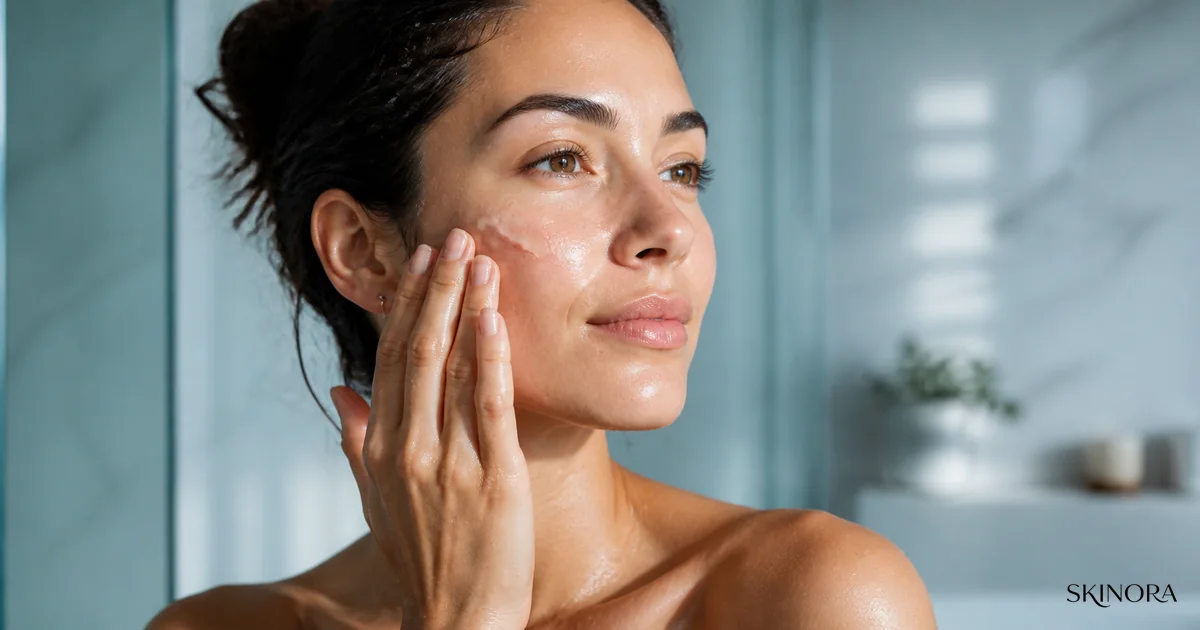
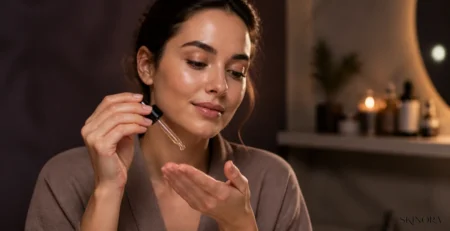
Hyaluronic acid can be applied to slightly damp skin, and many people find this makes a hydrating serum spread more comfortably. It is not mandatory, and soaking-wet skin is unnecessary. The important part is to follow with a moisturiser so the routine contains both water-binding ingredients and a layer that slows water loss.
Hyaluronic acid is a humectant: it associates with water and is used in topical products to support surface hydration. Applying it after cleansing, while a little water remains on the skin, gives the serum an easy water phase to spread through. This is a practical application technique rather than proof that dry-skin application makes the ingredient ineffective.
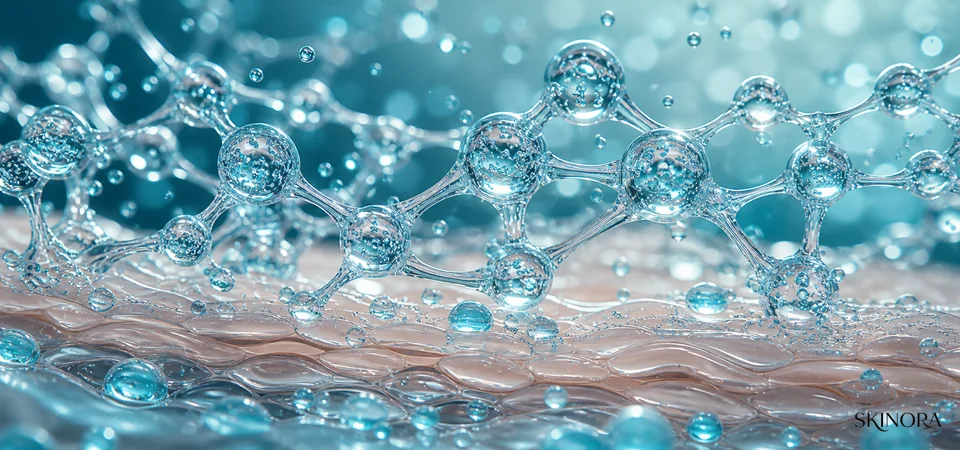
If your serum already has a water-rich base, it can still work on dry skin. Formula design, the molecular weights used, the rest of the routine and the condition of the skin all affect the result.
Gently pat after cleansing and leave the face just slightly moist. A fine mist or a few drops of plain water can also work. If water is running down the face, it may dilute the product unevenly or move it toward the eyes.
Use only enough serum to create a thin, even layer. Extra product often causes stickiness or pilling and does not guarantee more hydration.
Humectants help hold water, but a complete moisturising routine usually also needs emollient and occlusive components. Apply moisturiser before the serum layer has fully dried into a tacky film. In very dry air, relying on a humectant serum alone may not feel comfortable for long.
The Ordinary Hyaluronic Acid 2% + B5 and The Ordinary Natural Moisturizing Factors + HA are verified as published and in stock. They represent a serum and a moisturiser with different jobs; neither must be used for the technique to work.
If the serum pills, use less and allow a short pause before the next layer. If skin still feels tight, choose a richer moisturiser rather than adding several more humectant serums. Our gel versus cream moisturiser guide can help with that choice.
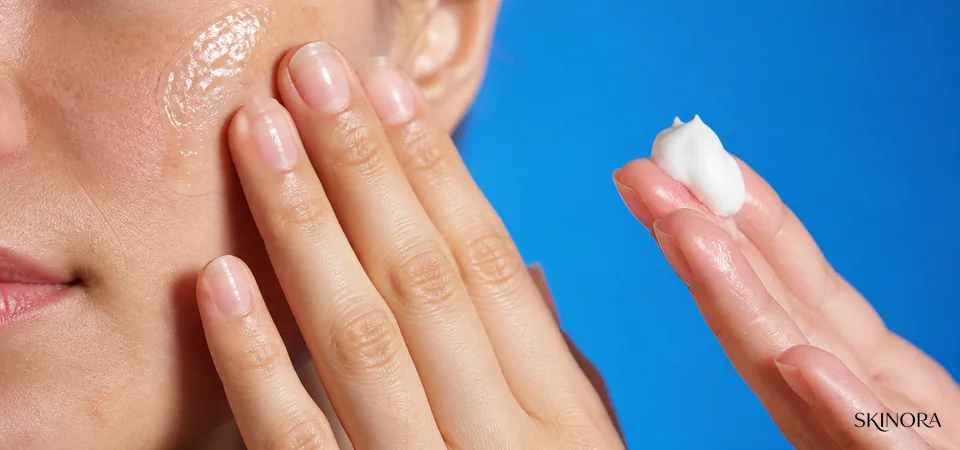
Hyaluronic acid is generally a hydration ingredient, not a treatment for eczema or another skin disease. Persistent cracking, burning or rash deserves professional advice.