
Must-Have Makeup Essentials
Step into a world where ethereal beauty meets timeless elegance – the world of moonstone jewelry. With its enchanting play...
read more
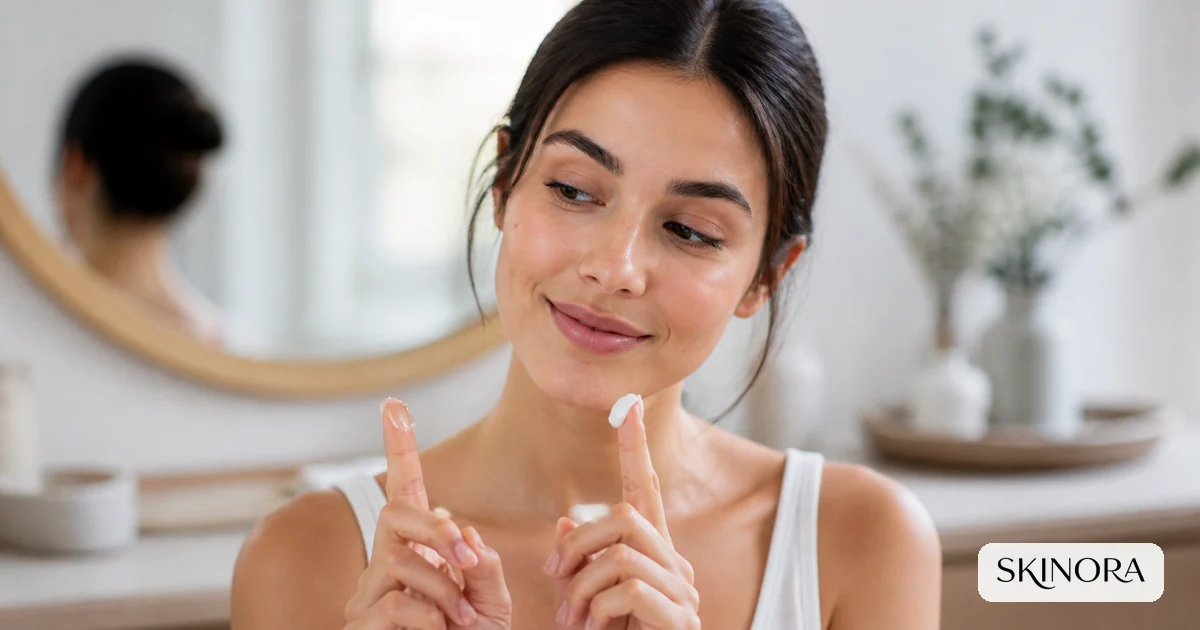
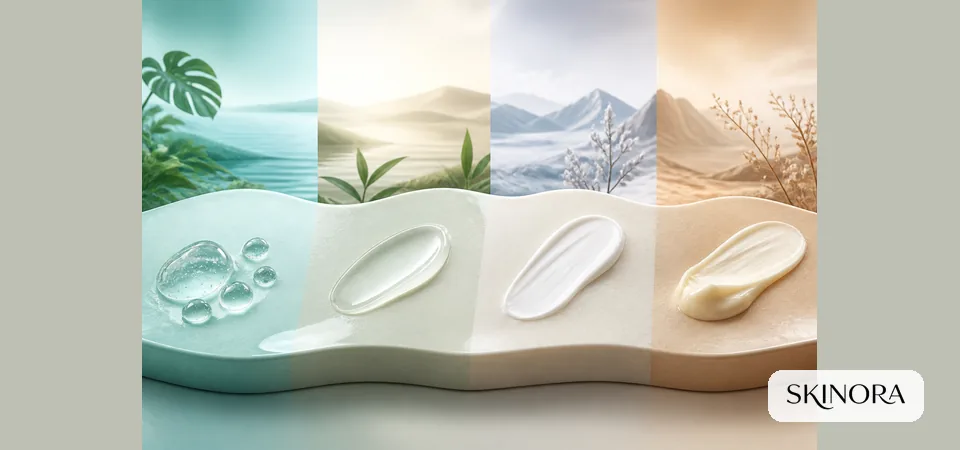
Gel moisturisers feel light and cooling; creams feel richer and more protective. Neither category is automatically better. The right texture depends on skin type, climate, the rest of your routine and whether the outer skin layer is currently comfortable.
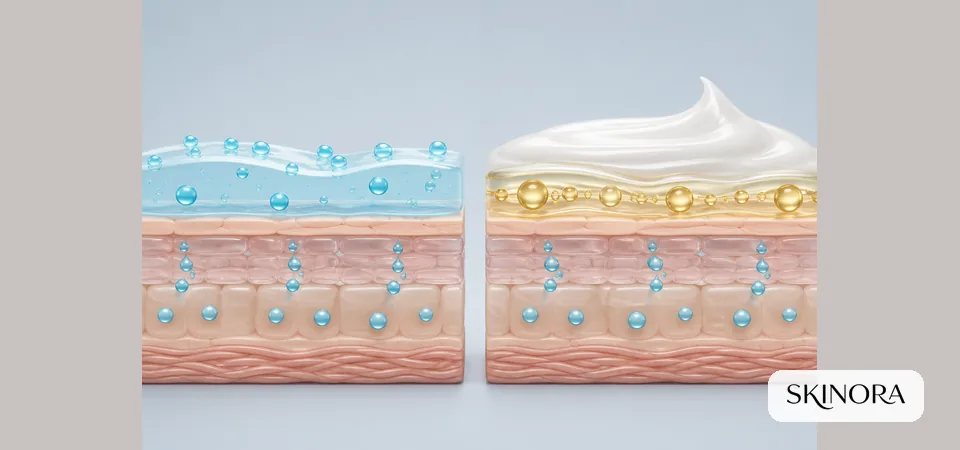
Most moisturisers balance three jobs. Humectants attract water at the surface, emollients soften rough spaces between skin cells, and occlusive ingredients reduce water loss. A gel usually emphasises water and humectants, while a cream generally contains more emollient or occlusive material.
This is a texture tendency, not a strict rule. Always check the full formula and how it behaves on your skin.
A gel or gel-cream can be comfortable for oily skin, humid weather and mornings under sunscreen. It may also suit someone who dislikes a noticeable film. Look for a non-comedogenic formula if clogged pores are a concern.
A hydrating serum such as The Ordinary Hyaluronic Acid 2% + B5 can add humectant hydration, but it is not always a complete moisturiser. If skin still feels tight, place a lotion or cream over it.
Dry, flaky or barrier-stressed skin often needs more than water-binding ingredients. A cream can add softness and slow evaporation, especially in cold weather, dry indoor heating or at night. The American Academy of Dermatology notes that creams and ointments generally retain more moisture than lotions.
The Ordinary Natural Moisturizing Factors + HA is a straightforward cream option that supports surface hydration without adding another strong active.
Sunscreen already creates a daytime film, so a thin moisturiser may be enough underneath. At night, retinoids or exfoliating acids can increase dryness, making a cream more comfortable. You can also use a gel over the whole face and add cream only to dry cheeks.
Seasonal switching is normal: gel in a humid Tbilisi summer, cream when winter air and heating increase water loss.
Apply gel to one side of clean, slightly damp skin and cream to the other. Check after 20 minutes and again after several hours. The useful texture is the one that leaves skin comfortable without persistent tightness, excessive shine or pilling under SPF.
Patch-test a new product if your skin is reactive. Fragrance-free formulas are often easier when eczema or sensitivity is present.