

Must-Have Makeup Essentials
Step into a world where ethereal beauty meets timeless elegance – the world of moonstone jewelry. With its enchanting play...
read more
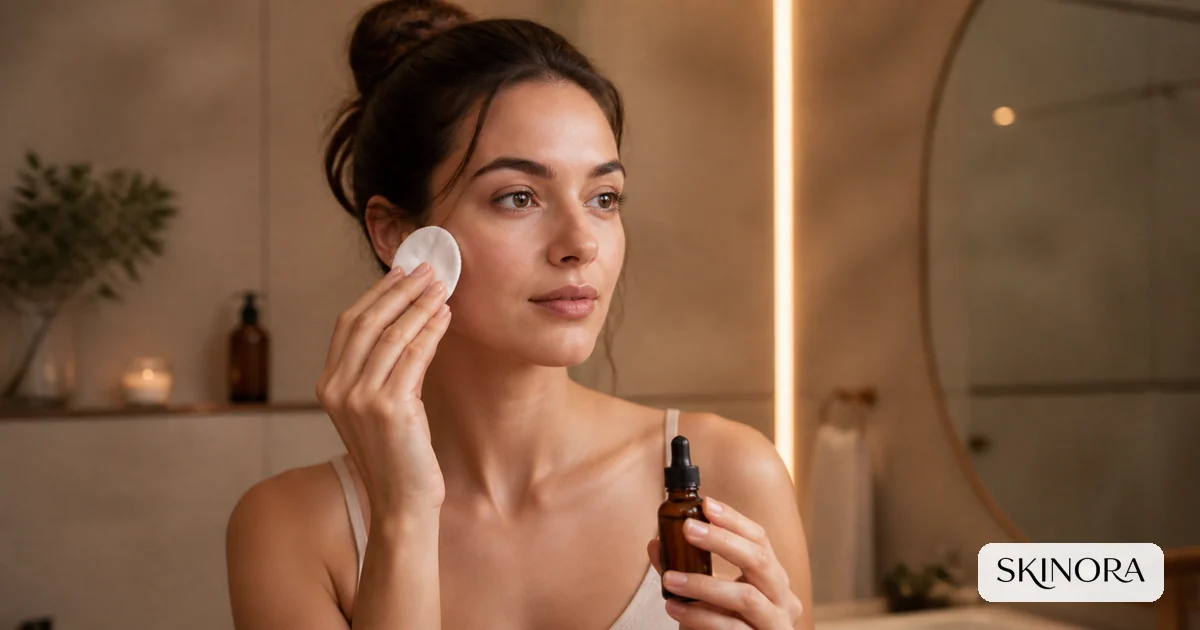
Exfoliation can smooth flaky texture and help keep pores clear, but more is not better. The correct frequency depends on the method, product strength, other active ingredients and how quickly your skin recovers. A fixed daily rule is rarely useful.
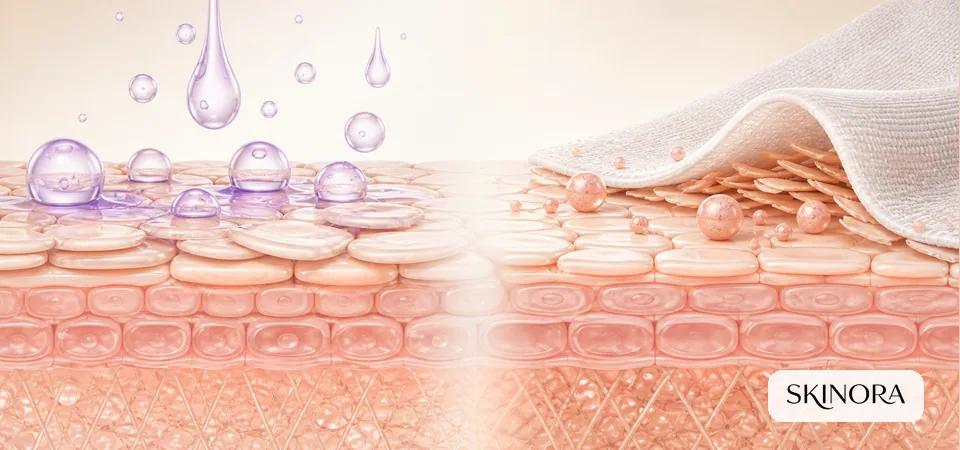
Chemical exfoliants use ingredients such as alpha hydroxy acids or salicylic acid to loosen bonds around surface cells. Mechanical exfoliation removes cells through friction from a scrub, cloth or tool. Both can irritate when they are too strong or used too often.
The American Academy of Dermatology advises that the more aggressive the method, the less frequently it should be used. Gentle technique and moisturiser afterwards matter with either approach.
For a leave-on acid you have never used, start once weekly in the evening. If there is no persistent redness, burning, unusual shine or flaking after two to three weeks, some skins can move to twice weekly. Follow the product label when it is more restrictive.
Dry, sensitive or eczema-prone skin may need less or may not tolerate exfoliation at all. Oily skin is not automatically resistant.
Using an acid toner, salicylic serum, scrub and peeling mask in the same week can quietly add up. Retinoids and benzoyl peroxide may also increase irritation. Introduce one exfoliating step, track it, and alternate nights with other strong actives when needed.
The Ordinary Glycolic Acid 7% Exfoliating Toner targets surface texture, while The Ordinary Salicylic Acid 2% Solution is often chosen for oily, congestion-prone areas. They are not a required pair and should not be layered just to accelerate results.
Pause exfoliation and simplify to gentle cleansing, moisturiser and daily sunscreen. Read our skin-barrier recovery guide before restarting.
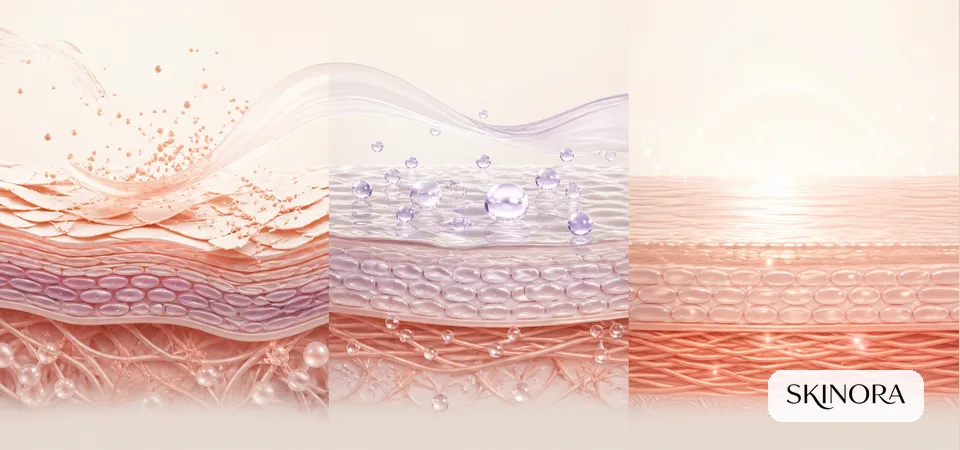
Choose one exfoliation evening, then allow several recovery nights. Increase frequency only when the skin remains calm, not because a calendar says so. Daily broad-spectrum SPF 30 or higher is especially important because some exfoliating routines make skin more sun-sensitive.
Strong at-home peels such as The Ordinary AHA 30% + BHA 2% Peeling Solution are not beginner or frequent-use products. Follow all label restrictions and avoid them on irritated skin.
Persistent rash, swelling, blistering or severe pain requires medical advice.