
Niacinamide for Skin: Benefits, Strengths and How to Use It
Niacinamide is a versatile form of vitamin B3 used in serums and moisturizers. It can support barrier function, hydration and...
read more
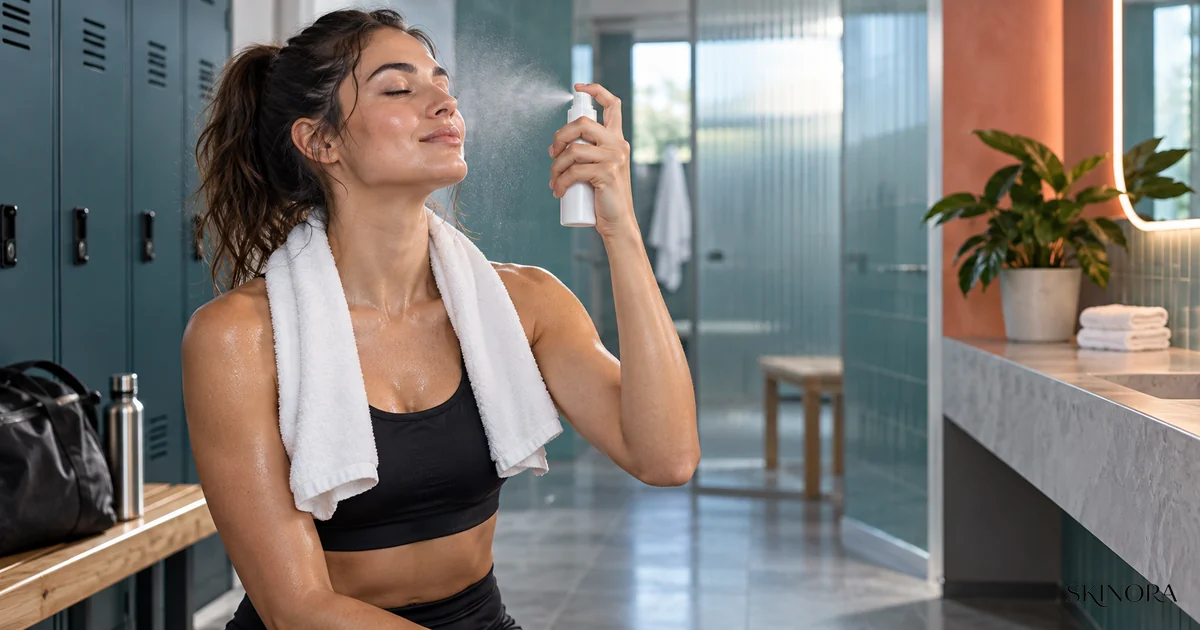
Hypochlorous acid facial sprays have moved from clinical settings into everyday skincare and social-media routines. A properly formulated, stabilised product can offer antimicrobial and anti-inflammatory activity with generally good skin tolerance. It may be useful after exercise, beneath a mask or when you want a low-residue mist, but it is not a disinfectant shortcut for every problem and it does not replace prescribed treatment.
Hypochlorous acid, usually shortened to HOCl, is a molecule that immune cells can produce as part of the body’s defence response. Commercial skin sprays use a carefully controlled, stabilised solution. Concentration, pH, packaging and storage affect stability, so a cosmetic facial spray is not interchangeable with household bleach, pool products or surface disinfectants.
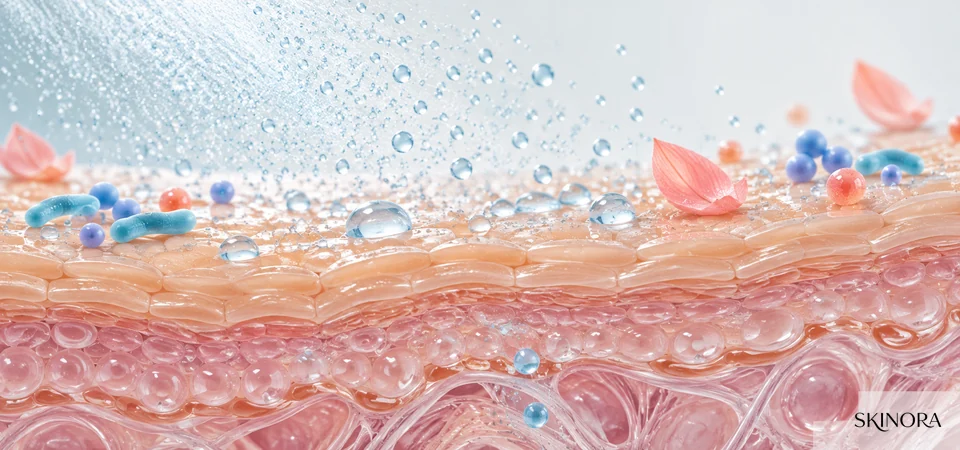
Reviews describe HOCl as active against a range of microorganisms and potentially helpful in wound-care and dermatology settings. Evidence for specific consumer uses such as acne, eczema or rosacea is still less consistent than viral videos imply. Think of it as a supportive step, not a cure.
The format is practical when sweat, friction or frequent touching makes cleansing inconvenient. Possible uses include:
If acne is the concern, begin with a proven routine rather than adding several trending sprays. Our body-acne routine explains the role of cleansing, friction control and established acne ingredients. For easily reactive skin, the sensitive-skin routine is a better foundation.
Follow the label because formulas vary. In a simple routine, cleanse or rinse the skin, mist evenly from the recommended distance, allow it to dry, then continue with moisturiser. In the morning, finish with broad-spectrum sunscreen. You do not need to keep the face wet or apply repeated layers throughout the day.
After exercise, change damp clothing and wash when practical. A mist can bridge the gap, but it cannot remove sunscreen, makeup, oil or debris as thoroughly as cleansing. If skin feels tight after washing, review the cleanser and water temperature using our guide to post-cleansing tightness.
Do not mix HOCl in the bottle with acids, vitamin C, essential oils or homemade ingredients. Store it as directed, close the cap and replace it after the labelled shelf life. Light and heat can reduce the stability of some formulations.
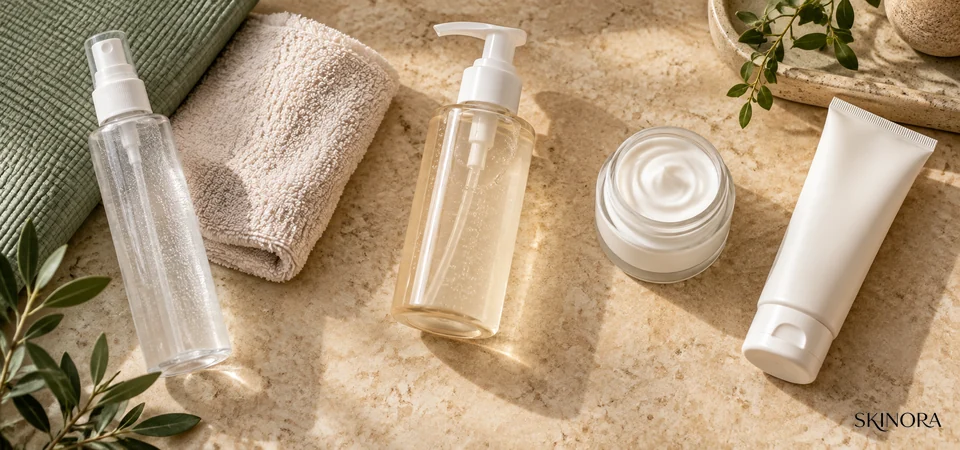
Choose a product clearly intended for facial or skin use. Look for a complete label, expiry or period-after-opening information, storage directions and packaging that limits contamination. Avoid transferring it into another bottle. More ingredients do not automatically make a better HOCl spray; a crowded formula may be harder to evaluate on sensitive skin.
Patch testing is sensible, particularly if you have a history of contact dermatitis. Stop if persistent burning, swelling, hives or a spreading rash appears. Read the damaged skin barrier guide before adding actives to already sore or peeling skin.
HOCl should not be presented as a replacement for antibiotics, prescription acne therapy, eczema treatment or proper wound care. Seek medical advice for deep painful acne, infected-looking lesions, rapidly spreading redness, fever, eye exposure from an unsuitable product or a wound that is not healing.
The useful version of this trend is modest: a well-made spray can be a convenient supporting product. The unsafe version treats any bottle containing chlorine-related language as suitable for the face.