
Damaged Skin Barrier: Signs, Causes and a Simple Repair Routine
A compromised skin barrier can feel tight, sting when products are applied and become unusually dry or reactive. A short,...
read more

Breakouts on the back, chest and shoulders are common, but they can be harder to reach and easier to irritate than facial acne. A useful body acne routine combines one evidence-based treatment with gentle washing, quick changes after sweating and less friction. Scrubbing harder usually makes inflammation worse.
Body acne can include blackheads, whiteheads, red bumps and pustules. Deep painful lumps, draining lesions or scarring need a dermatologist. Itchy, very uniform bumps may have another cause, including folliculitis, and may not respond to a standard acne routine.
If a rash started suddenly after a new medicine, supplement, oily hair product or tight piece of equipment, include that timing when you seek advice. A skincare article cannot distinguish every condition from a photograph.
For mild to moderate back acne, dermatology guidance supports options such as benzoyl peroxide, salicylic acid and topical retinoids. The best starting format depends on the type of spots and how sensitive the skin is.
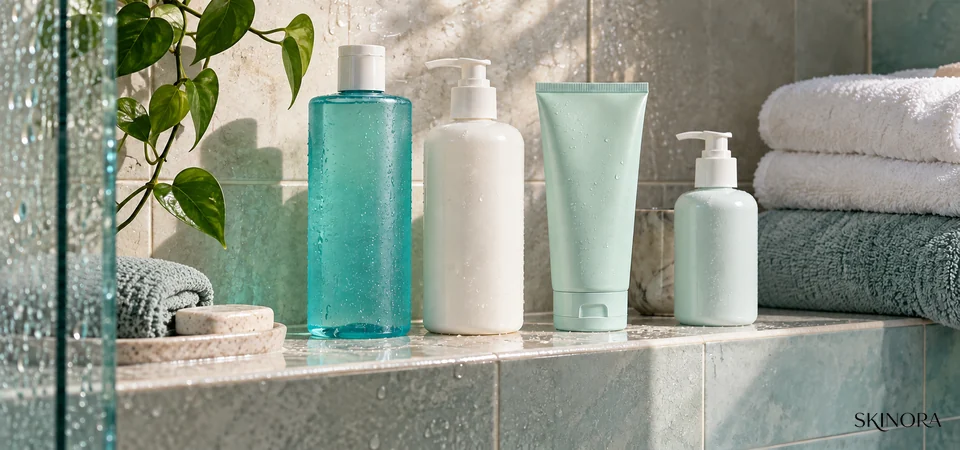
Benzoyl peroxide wash is useful for inflammatory pimples and reduces acne-associated bacteria. The American Academy of Dermatology notes that a wash needs short contact time before rinsing and warns that benzoyl peroxide can bleach towels and clothing. Begin with a lower-strength formula when possible to reduce dryness.
Salicylic acid helps unclog pores and is especially relevant for blackheads, whiteheads and a rough congested texture. A wash may be easier to spread, while a leave-on formula gives longer contact but can irritate more.
Adapalene or another retinoid may be used for acne, but it requires a slow start, careful sun protection and attention to pregnancy guidance. For a new routine, do not start a benzoyl peroxide wash, leave-on acid and retinoid on the same day.
Use lukewarm water and a gentle, fragrance-free cleanser on the rest of the body. Apply the chosen acne wash to the affected back or chest according to its current label. If it is a benzoyl peroxide wash, allow only the recommended contact time, rinse thoroughly and use white or old towels.
After showering, pat rather than rub. Apply a non-comedogenic moisturiser if treatment leaves the skin dry. Moisturiser can improve tolerance and make it easier to stay consistent.
If using a leave-on salicylic acid, begin two or three evenings per week on dry, intact skin. The Ordinary Salicylic Acid 2% Solution was verified as published and in stock when this guide was prepared. Its label is designed for facial use, so do not assume it is economical or suitable for large body areas; follow the exact instructions and use only on a limited area if appropriate.
Our salicylic acid guide explains how to introduce the ingredient without stacking exfoliants.
Shower and change out of sweaty clothes as soon as practical after exercise. Wash workout tops after each use and favour loose or moisture-wicking fabric. A backpack, tight sports bra, shoulder pads or repeated rubbing can aggravate lesions in the same pattern.
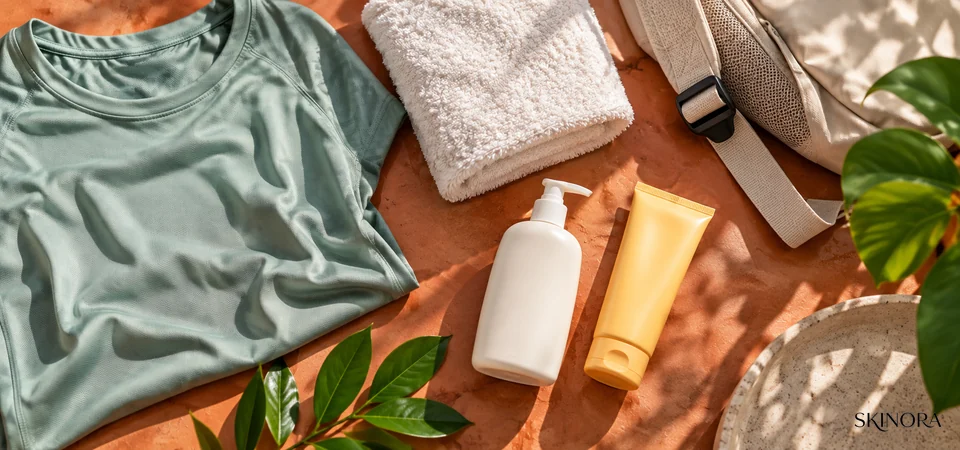
Keep oily hair products and conditioner from sitting on the back. Rinse the body after rinsing hair, then wash the affected area gently. Do not use loofahs, abrasive brushes or grainy scrubs on active acne.
For exposed shoulders or back, choose a non-comedogenic broad-spectrum SPF 30 or higher. Sun does not clear acne and can make post-acne marks more persistent.
Daily
Once a week
Avoid picking. It increases inflammation and the chance of dark marks or scars. If post-acne pigment is the main remaining concern, address active breakouts first and read our guide to alpha arbutin for dark spots.
Give a tolerable routine six to eight weeks before deciding it has failed; full clearing can take longer. Reduce frequency if the skin becomes sore, cracked or persistently itchy. Stop a product if there is swelling, blistering or a spreading rash.
See a dermatologist for deep or painful lesions, scarring, widespread acne, significant emotional distress or no visible improvement after consistent self-care. Prescription treatment may be needed for areas that are difficult to reach or disease that extends beyond mild acne.