
Niacinamide for Skin: Benefits, Strengths and How to Use It
Niacinamide is a versatile form of vitamin B3 used in serums and moisturizers. It can support barrier function, hydration and...
read more
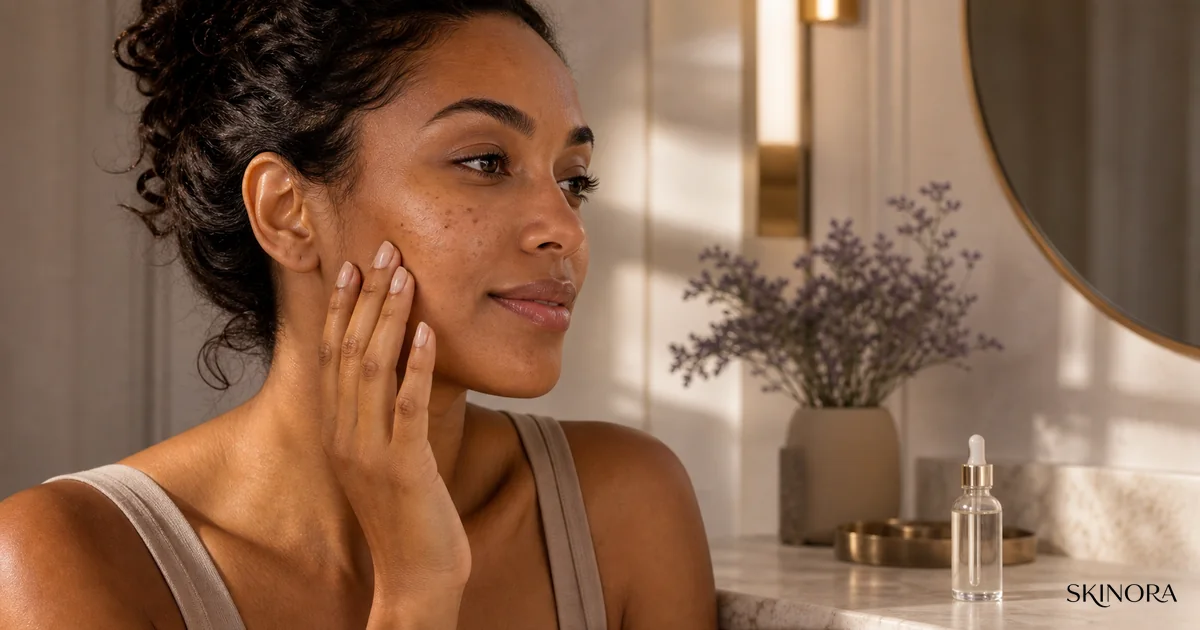
Alpha arbutin is used in cosmetic serums to improve the appearance of uneven tone and dark spots. It works by influencing tyrosinase, an enzyme involved in melanin production, but it is not a bleach and will not erase every type of pigmentation. Use a well-formulated product consistently, avoid irritation and make sunscreen the foundation of the routine.
Small clinical studies have reported improvement with formulas containing alpha arbutin, but the ingredient was often combined with other brightening agents or professional treatments. A 2025 single-arm study used 2% alpha arbutin together with another active and sunscreen. A small randomized pilot studied 5% alpha arbutin with 2% kojic acid. Those results cannot be transferred directly to every standalone 2% serum.
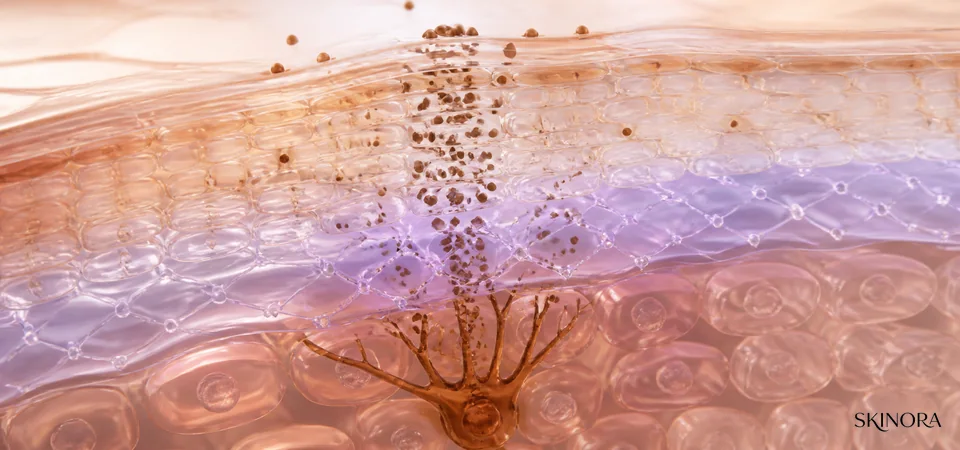
This matters because online claims often treat all alpha arbutin products as identical. Vehicle, stability, co-ingredients, frequency, the cause and depth of pigment, and sun exposure all affect the outcome.
The European Commission’s Scientific Committee on Consumer Safety concluded that alpha arbutin is safe in face creams up to 2% under the conditions it evaluated. That safety opinion does not guarantee that every formula is irritation-free or equally effective.
Post-blemish marks can continue forming if acne or picking continues. Irritating skincare can also create or deepen discoloration, especially in darker skin tones. Gentle care and stopping the trigger may be as important as adding a brightening serum.
New, changing, irregular, raised or bleeding spots need medical assessment rather than cosmetic fading attempts. Melasma is also a medical pigment condition that often needs a dermatologist-led plan.
The Ordinary Alpha Arbutin 2% + HA is verified as published and in stock. Its 2% name matches the concentration evaluated as safe in the SCCS face-cream opinion, but product format and full formulation still matter. Follow the current label and storage directions.
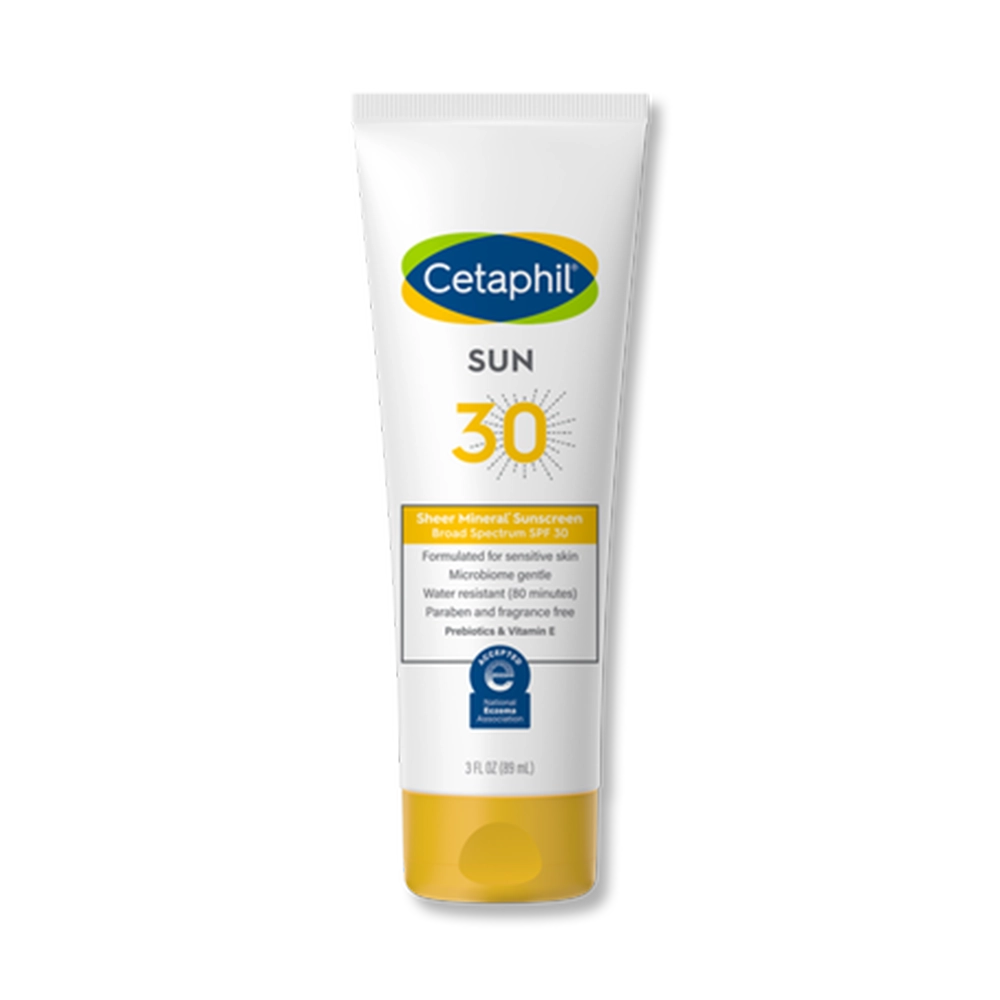
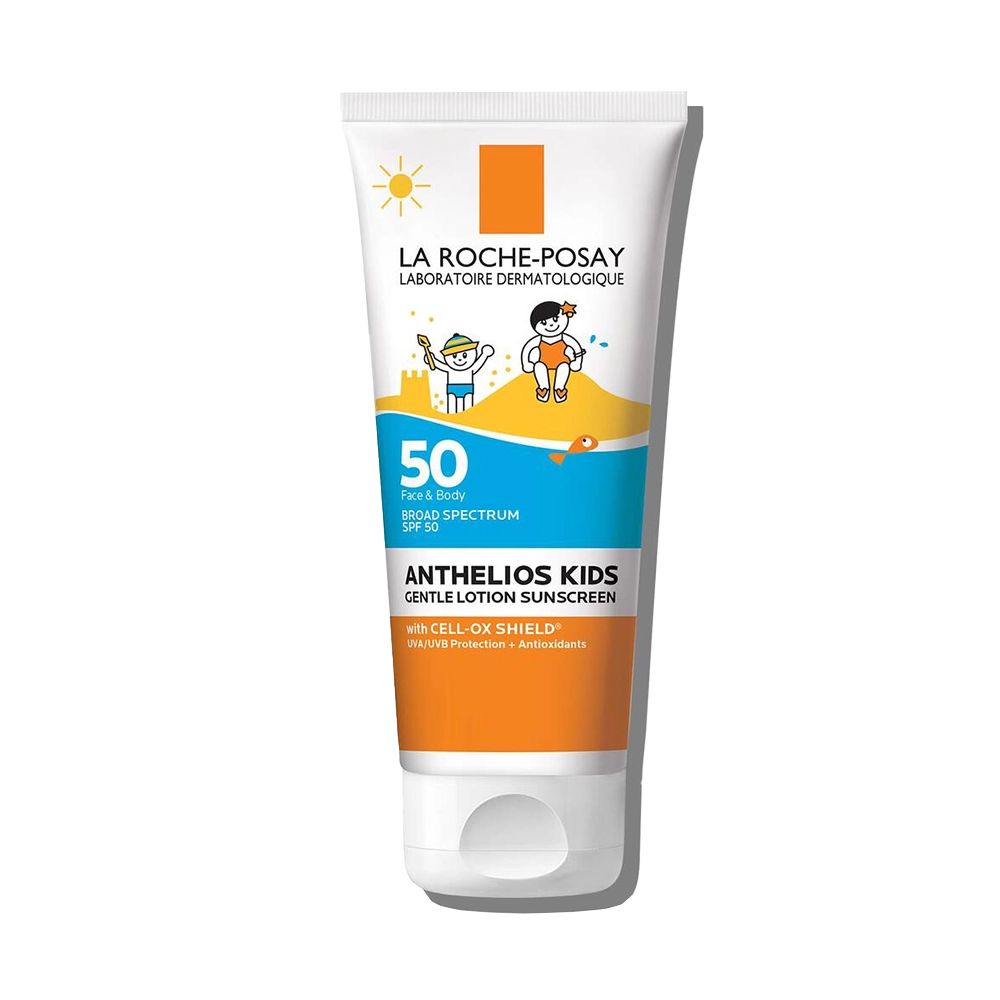
Ultraviolet and visible light can worsen hyperpigmentation. A broad-spectrum, water-resistant SPF 30 or higher should be applied adequately and renewed outdoors. The American Academy of Dermatology also recommends considering a tinted sunscreen with iron oxide because visible light can contribute to darkening, particularly in deeper skin tones.
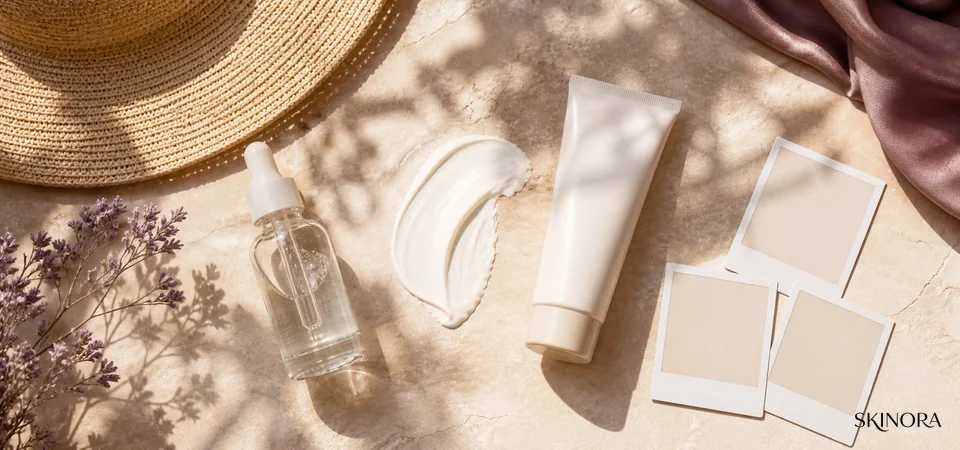
Alpha arbutin cannot compensate for repeated unprotected exposure. A hat and shade add useful protection.
Alpha arbutin is often used alongside niacinamide or vitamin C, but the skin has to tolerate the full routine. Combining three brightening serums does not guarantee faster fading. It may increase pilling or irritation, which can make discoloration look worse.
Introduce one new formula at a time. Alternate mornings and evenings if layers become uncomfortable. If you also use exfoliating acids or retinoids, keep their frequency conservative and pause when skin stings or peels. Our vitamin C guide explains how formula type changes tolerability.
Dark spots fade slowly. Superficial post-inflammatory marks may take months after the trigger stops, while deeper pigment can persist longer. Judge progress with monthly photos in the same lighting, not daily inspection.
Stop the product for persistent burning, rash, swelling or worsening discoloration. Seek a dermatologist for uncertain spots, melasma, scarring acne or pigment that does not improve despite a consistent gentle routine and sun protection.