

Niacinamide for Skin: Benefits, Strengths and How to Use It
Niacinamide is a versatile form of vitamin B3 used in serums and moisturizers. It can support barrier function, hydration and...
read more 
Vitamin C is an antioxidant used in skincare to support protection against environmental oxidative stress and improve the appearance of uneven tone and early photoaging. It works best as part of a complete morning routine, not as a replacement for sunscreen.
Topical vitamin C may help skin look brighter and more even over time. It also supports collagen-related processes and complements daily sun protection by neutralising some free radicals. Results depend heavily on the formula, packaging, concentration and regular use.
Vitamin C cannot erase pigmentation overnight or make sunscreen optional. Visible changes usually require weeks or months, and stubborn pigmentation may need professional assessment.
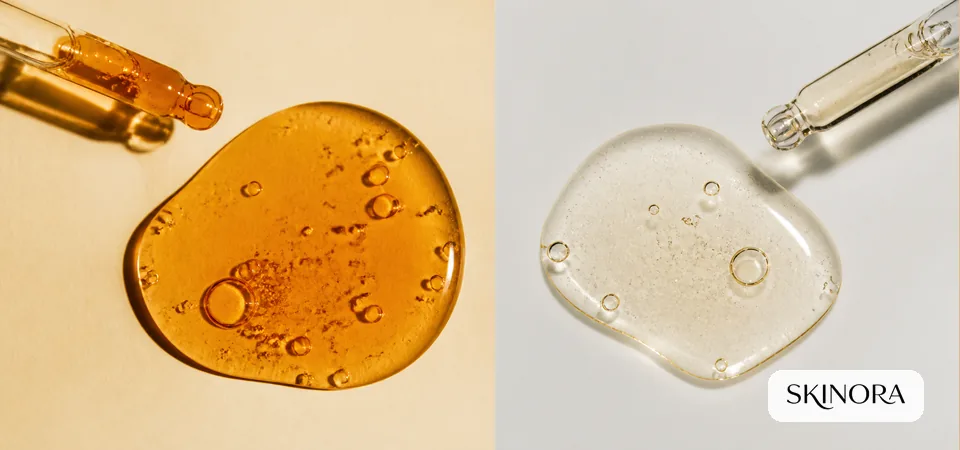
L-ascorbic acid is the best-studied form, but it can be unstable and may sting sensitive skin. Derivatives such as ascorbyl glucoside are often easier to formulate and may feel gentler, although their clinical evidence and conversion in skin differ.
Choose by tolerance rather than chasing the highest percentage. A lower-strength, well-packaged product used consistently may be more useful than a strong serum that repeatedly irritates the skin.
Start three or four mornings per week if your skin is reactive. Increase only when the routine remains comfortable. Follow the product label because textures and directions vary.
Yes. Morning use is popular because it fits naturally under sunscreen, but a stable formula can also be used at night. The best time is the one that makes consistent, irritation-free use easier.
Vitamin C commonly sits well with moisturising ingredients such as hyaluronic acid, ceramides and niacinamide. Using it in the same routine as exfoliating acids or retinoids can be too irritating for some people. Separate strong actives by time of day or alternate nights when needed.
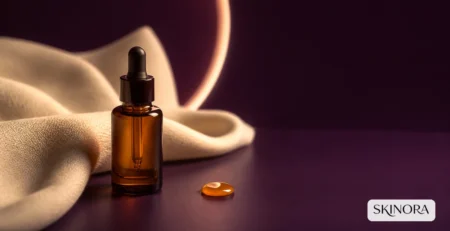
A clear or pale serum that becomes deep orange or brown, develops an unusual smell, or changes texture may have oxidised. Store it tightly closed, away from heat and direct light. Do not keep using a formula that has changed substantially.
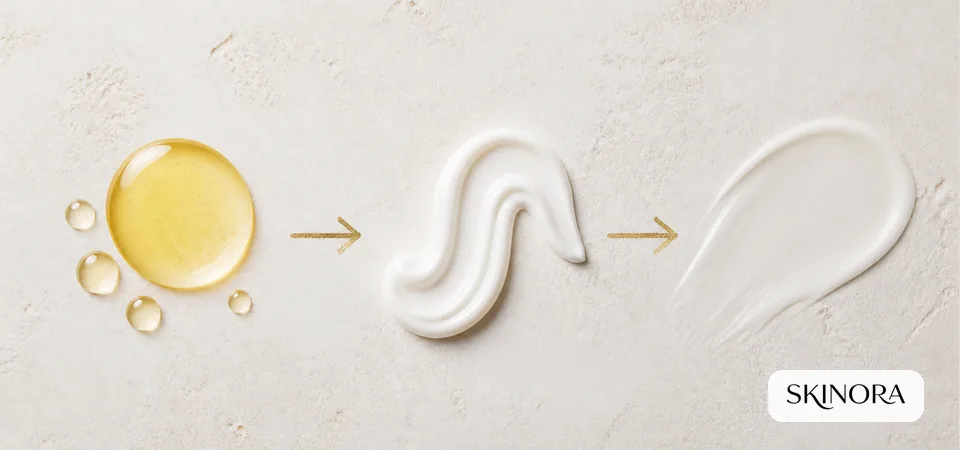
The suspension is a strong, textured formula and may not suit a beginner. Check the live product page for current availability and directions.
Persistent burning, swelling, a rash or worsening redness is a reason to stop. Introduce one new active at a time so the cause of irritation is easier to identify.