

Niacinamide for Skin: Benefits, Strengths and How to Use It
Niacinamide is a versatile form of vitamin B3 used in serums and moisturizers. It can support barrier function, hydration and...
read more 
The safest beginner approach is simple: choose a low-strength retinol, use a pea-sized amount for the whole face on two non-consecutive nights per week, moisturize and wear broad-spectrum sunscreen every morning. Increase frequency only after the skin remains comfortable for several weeks.
Retinol is a type of retinoid derived from vitamin A. It can improve the appearance of fine lines, uneven tone and texture. Stronger prescription retinoids are also used for acne, but an over-the-counter cosmetic retinol should not be presented as a replacement for medical treatment.
Avoid retinoids during pregnancy. If you are breastfeeding, trying to conceive, using prescription acne medication, taking isotretinoin, or managing eczema, rosacea or a severely irritated barrier, discuss the routine with a qualified clinician first.

Use retinol on two non-consecutive evenings, for example Monday and Thursday.
If there is no persistent burning, marked redness or peeling, continue twice weekly or move to every third night.
Increase only if needed and tolerated. Daily use is not a requirement. A consistent lower frequency is better than repeatedly irritating the skin and stopping.
Wash your hands after application. Follow the product label because formulas and directions differ.
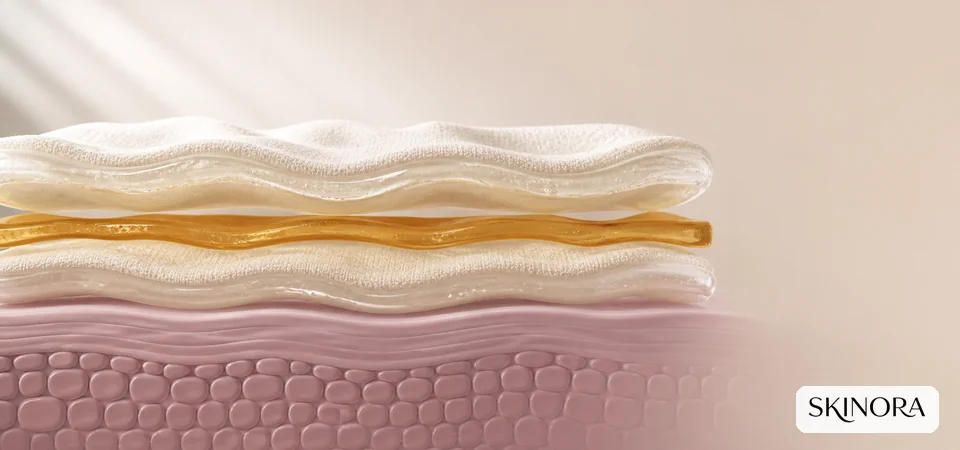
If your skin is dry or sensitive, apply moisturizer before retinol, then add another light layer afterward. This “sandwich” can reduce irritation. It may slightly buffer the product, but consistency and tolerability matter more than maximum intensity.
Until tolerance is established, keep exfoliating acids, scrubs and other retinoids out of retinol nights. Benzoyl peroxide and prescription treatments may require a clinician-designed schedule. Niacinamide and a plain moisturizer are generally compatible if the formulas feel comfortable.
Mild dryness can occur early. Persistent burning, swelling, pronounced redness, cracking or painful peeling is not a goal. Stop the product and return to a gentle cleanser, moisturizer and sunscreen. If symptoms are severe or do not settle, seek medical advice.
“Purging” should not be used to dismiss every reaction. An itchy rash, swelling or symptoms outside acne-prone areas may indicate irritation or allergy.
Retinoids can make skin more sensitive to sun. Use broad-spectrum SPF 30 or higher each morning, apply it generously and follow the label for reapplication. Sunscreen also helps protect progress on uneven tone.
Skinora’s live English catalog currently lists:
These formulas are not directly interchangeable by percentage; “2% Granactive Retinoid complex” does not mean 2% pure retinol. Read the product page, storage instructions and cautions. Do not combine them with another retinoid.
There is no universal birthday. Use it for a specific concern, not because a trend says everyone needs it.
The eye area is easily irritated. Use only a formula specifically intended for that area and follow its directions.
Retinoids work gradually. Texture may change before fine lines or pigmentation. Think in months, not days, and judge progress only when the routine remains tolerable.