

Must-Have Makeup Essentials
Step into a world where ethereal beauty meets timeless elegance – the world of moonstone jewelry. With its enchanting play...
read more
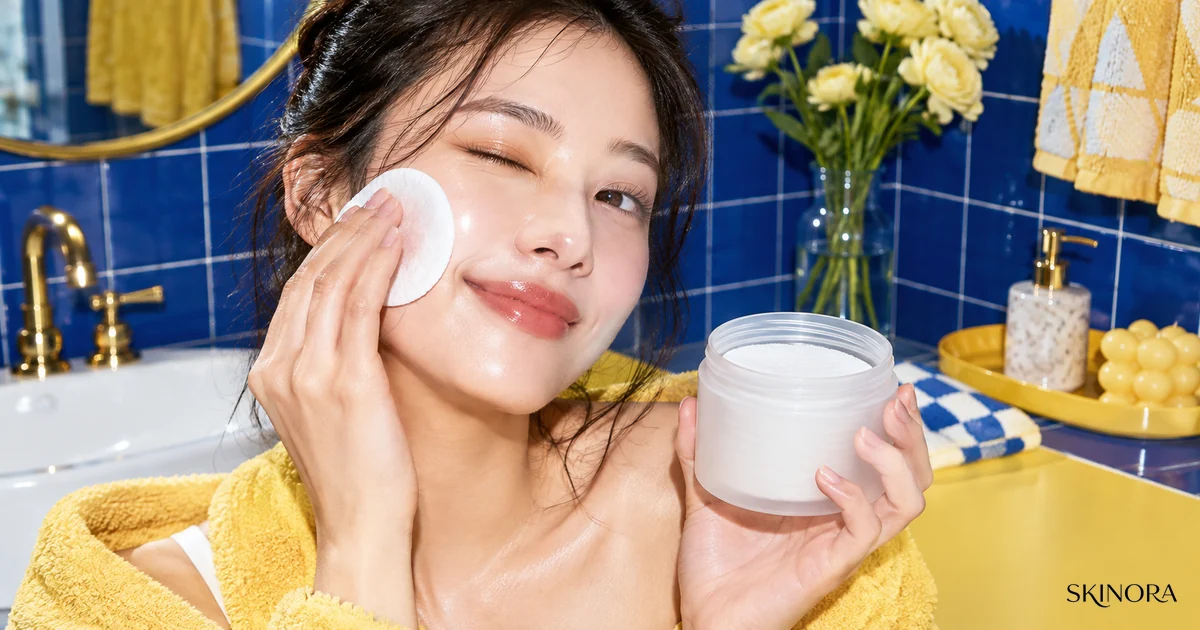
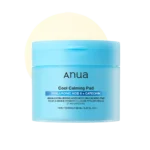
Korean toner pads are everywhere in 2026 skincare routines, but they are often treated as if they all do the same job. They do not. A toner pad is simply a pre-soaked disc. The liquid can be a gentle hydrating essence, an exfoliating acid solution or a calming formula. Reading the ingredients is more useful than copying a viral swiping technique.
Hydrating pads usually rely on humectants such as glycerin, hyaluronic acid or panthenol. They are intended to add water and comfort after cleansing.
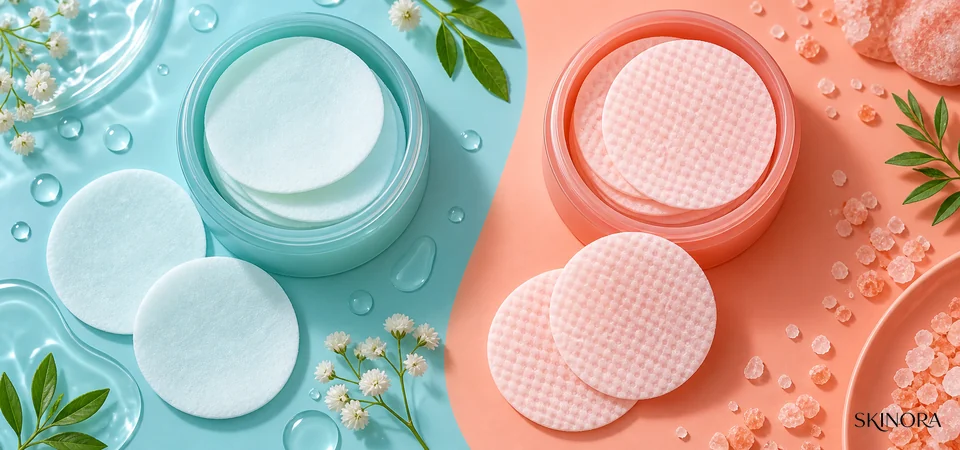
Soothing pads may include centella, beta-glucan or allantoin. The word “soothing” is not a guarantee for sensitive skin; botanical extracts and fragrance can still trigger reactions.
Exfoliating pads contain ingredients such as salicylic acid, glycolic acid, lactic acid or gluconolactone. The pad also creates some mechanical friction, so these formulas require more restraint than a hydrating toner.
Some products combine categories. If an acid appears high in the ingredient list or the label promises pore care and peeling, treat it as an exfoliant rather than an everyday neutral toner.
Pads offer convenience and a controlled single step, but they are not essential. A liquid toner applied with clean hands can reduce disposable material and friction. If you already use a suitable serum or moisturiser, another hydrating layer may add little.
The best reason to buy toner pads is that the format helps you use a suitable formula consistently. Convenience should not turn into overuse. Leaving multiple pads on the face like a mask may feel cooling, but it also increases contact time and can dry out exposed areas if the liquid evaporates.
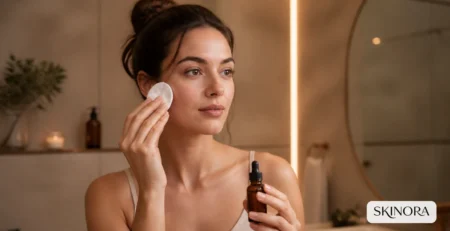
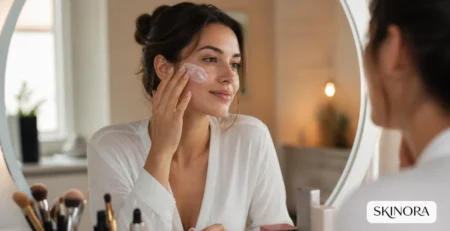
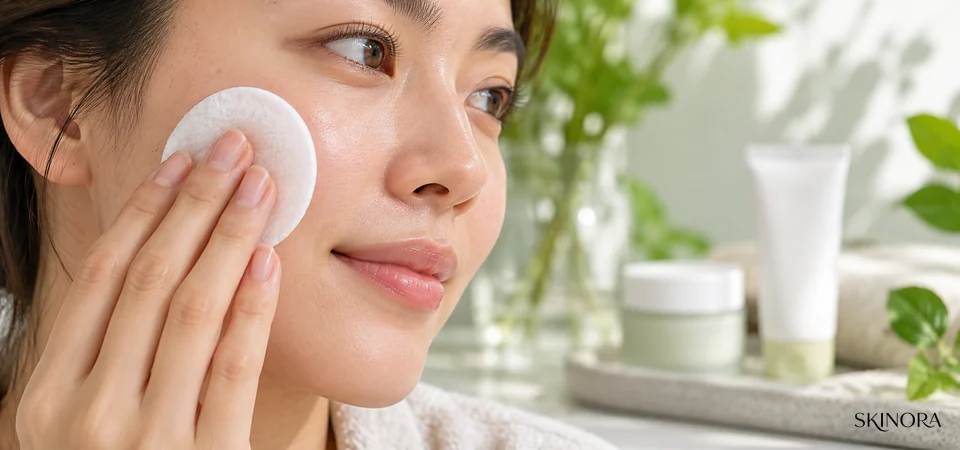
After cleansing, glide one soft pad over the face without pressing or repeatedly rubbing. Avoid the eyelids and any broken skin. Pat in the remaining essence, then seal it with moisturiser. One pad is generally enough for the face.
Hydrating formulas may fit daily use when tolerated, but watch the complete ingredient list. Fragrance, essential oils or a combination of many botanical extracts can still irritate. For dehydration, the same principles from our hyaluronic acid on damp skin guide apply: water-binding ingredients work best when followed by a suitable moisturiser.
Start once weekly in the evening. Use one gentle pass over areas that need exfoliation; do not scrub until the skin feels “clean.” Follow with a plain moisturiser. If there is no persistent stinging, redness or scaling, frequency can be increased gradually within the product directions.
Avoid using an exfoliating pad in the same session as another leave-on acid, a scrub or a new retinoid. The skin cannot count product categories, but it responds to the total irritation load. Our guide on how often to exfoliate and the comparison of salicylic versus glycolic acid can help you choose one route.
Alpha-hydroxy acids can increase sun sensitivity. Use broad-spectrum sunscreen during the day and follow the label’s sun-protection warning.
Wash and dry your hands before opening the jar. Use the included tweezers if provided and do not return a pad to the container. Close the lid promptly so the remaining pads do not dry out or become contaminated. Store the jar according to its label rather than automatically refrigerating it.
Do not share a jar used with fingers, and discard the product if its smell, colour or texture changes unexpectedly. A cold pad can reduce the sensation of heat temporarily, but it does not treat an allergy or an inflamed skin condition.
New tightness, burning when applying a simple moisturiser, shiny-looking dryness, scaling around the nose or sudden sensitivity to sunscreen are reasons to pause exfoliating pads. Return to gentle cleansing, moisturiser and SPF until ordinary products feel comfortable.
If irritation persists, use the barrier-supporting steps in our ceramide guide. Swelling, blisters, oozing, severe pain or a spreading rash needs medical advice. Patch test any new pad formula before using it across the face.