
Must-Have Makeup Essentials
Step into a world where ethereal beauty meets timeless elegance – the world of moonstone jewelry. With its enchanting play...
read more
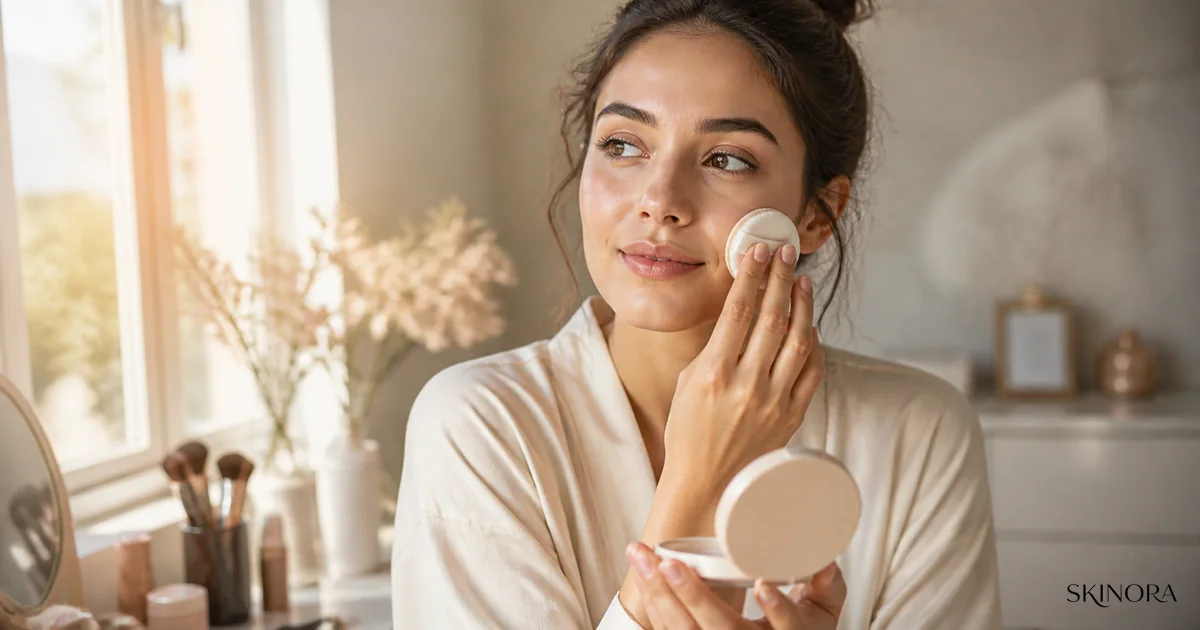
Sunscreen can be reapplied over makeup, but every method involves a compromise between even protection and an untouched finish. The most reliable approach is to press a compatible sunscreen onto the face in small sections, let it set and repair makeup only where needed. A quick dusting of SPF powder or a light mist is difficult to measure and should not be treated as a complete replacement layer.
The FDA and the American Academy of Dermatology advise reapplying sunscreen at least every two hours while outdoors, and sooner after swimming, heavy sweating or towel drying. The clock is about exposure, not the time since breakfast. Someone working indoors away from strong window light has different exposure from someone walking around Tbilisi at midday.
Shade, a wide-brim hat and sunglasses reduce how much exposed skin relies on a cosmetic touch-up. No sunscreen blocks every ray, and makeup with SPF rarely provides the labelled protection when applied in ordinary makeup amounts.
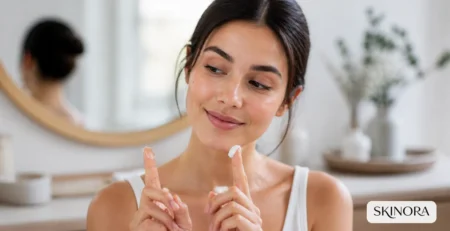
Blot excess oil with a clean tissue without rubbing. Dispense sunscreen from its original package onto clean fingers or a freshly washed puff. Work in small areas, pressing rather than dragging. Use several thin passes until you reach the normal face amount for that product.
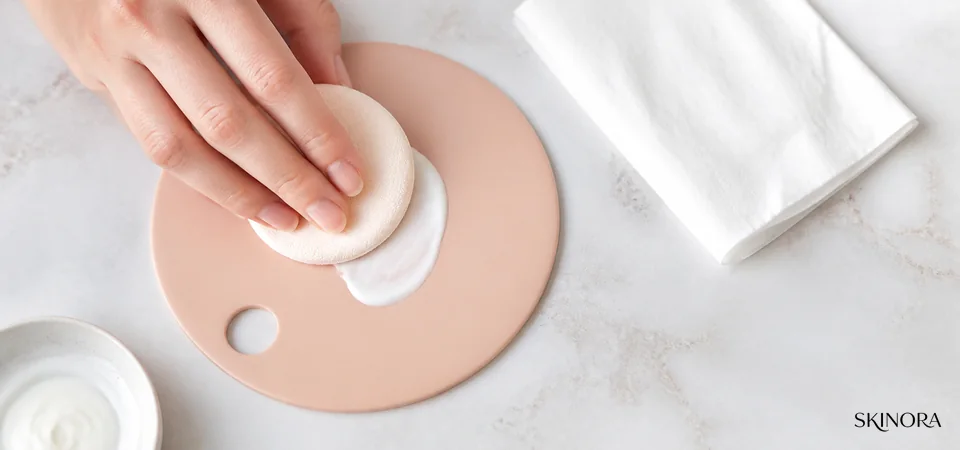
Let the layer set before touching up concealer, blush or powder. This method may soften makeup, but it gives you the best chance of applying an even film.
The Ordinary UV Filters SPF 45 Serum is a verified in-stock sunscreen option. Test any sunscreen with your foundation at home before relying on the combination outdoors.
A purpose-made sunscreen cushion can make pressing easier. If you use a reusable puff with bottled sunscreen for a single application, keep the puff clean and dispense from the original container. Do not decant and store sunscreen in an empty compact: changing packaging can affect stability, hygiene and the product’s protective film.
Press systematically across the forehead, cheeks, nose, jaw and around the hairline. One quick tap per area is unlikely to supply enough product.
Sunscreen sticks are portable, but an even protective amount needs repeated passes and blending. Over makeup, this can move foundation. Use a stick deliberately rather than drawing one light line across each cheek.
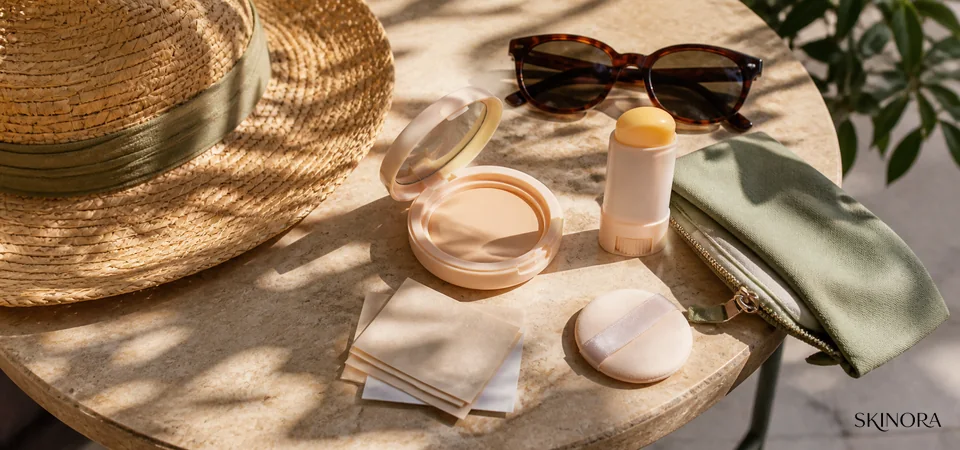
Sprays should not be sprayed directly onto the face or inhaled. The AAD advises spraying into the hands first for facial application and rubbing it in. Powders can reduce shine and help with small exposed areas, but it is hard to apply enough powder evenly to recreate the labelled SPF.
These formats are useful when the alternative is no touch-up, yet lotion or a well-applied cushion remains easier to assess.
A good morning base makes later reapplication simpler:
If the morning sunscreen already pills, fix that first with our sunscreen-under-makeup guide. At the end of the day, remove the accumulated layers gently rather than scrubbing.