
Niacinamide for Skin: Benefits, Strengths and How to Use It
Niacinamide is a versatile form of vitamin B3 used in serums and moisturizers. It can support barrier function, hydration and...
read more 
Hyaluronic acid is a humectant: it helps bind water near the skin surface. In a well-designed serum or moisturiser it can make skin feel smoother and better hydrated, but it is not an exfoliating acid and does not permanently fill wrinkles.
Hyaluronic acid occurs naturally in the skin and can hold water. Topical formulas mainly support surface hydration and temporary plumping. Molecular size, the rest of the formula and the moisturiser used afterward all affect the experience.
The word “acid” can be misleading here. Unlike salicylic or glycolic acid, hyaluronic acid does not work by loosening dead skin cells.
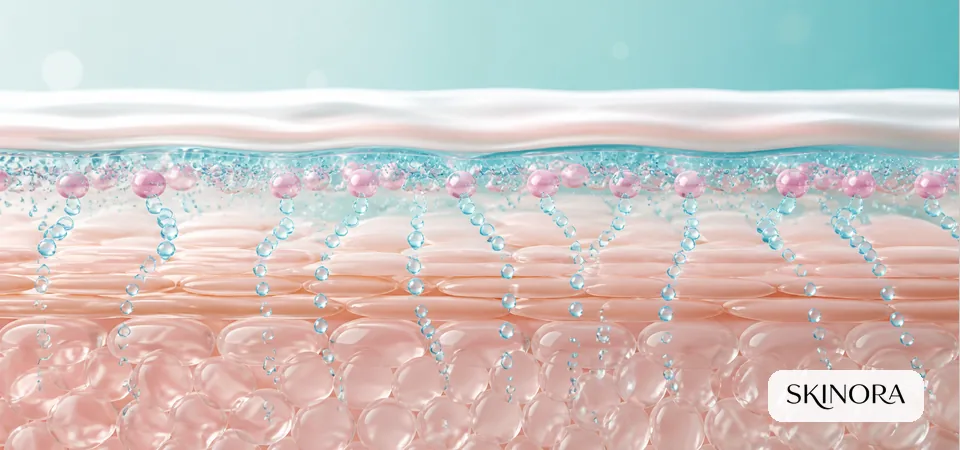
A separate serum is optional. Many moisturisers already combine humectants, emollients and occlusive ingredients in one step.
Tightness may come from a formula with few emollients, using too much product, skipping moisturiser, or an already impaired skin barrier. Stickiness is usually a texture issue rather than evidence that the ingredient is “pulling all water out” of the skin.
Use a smaller amount and seal it with a moisturiser suited to your skin. If the serum still feels uncomfortable, a complete moisturising cream may be simpler.
Most skin types can use hyaluronic acid, including oily skin, because hydration and oil are different. Sensitive skin should still check the whole formula for fragrance or other potential irritants. Very dry skin often needs a cream with lipids or occlusives in addition to humectants.
Hyaluronic acid generally layers well with niacinamide, vitamin C, ceramides and retinoids. It does not neutralise these actives. Keep the routine simple when irritation is present.
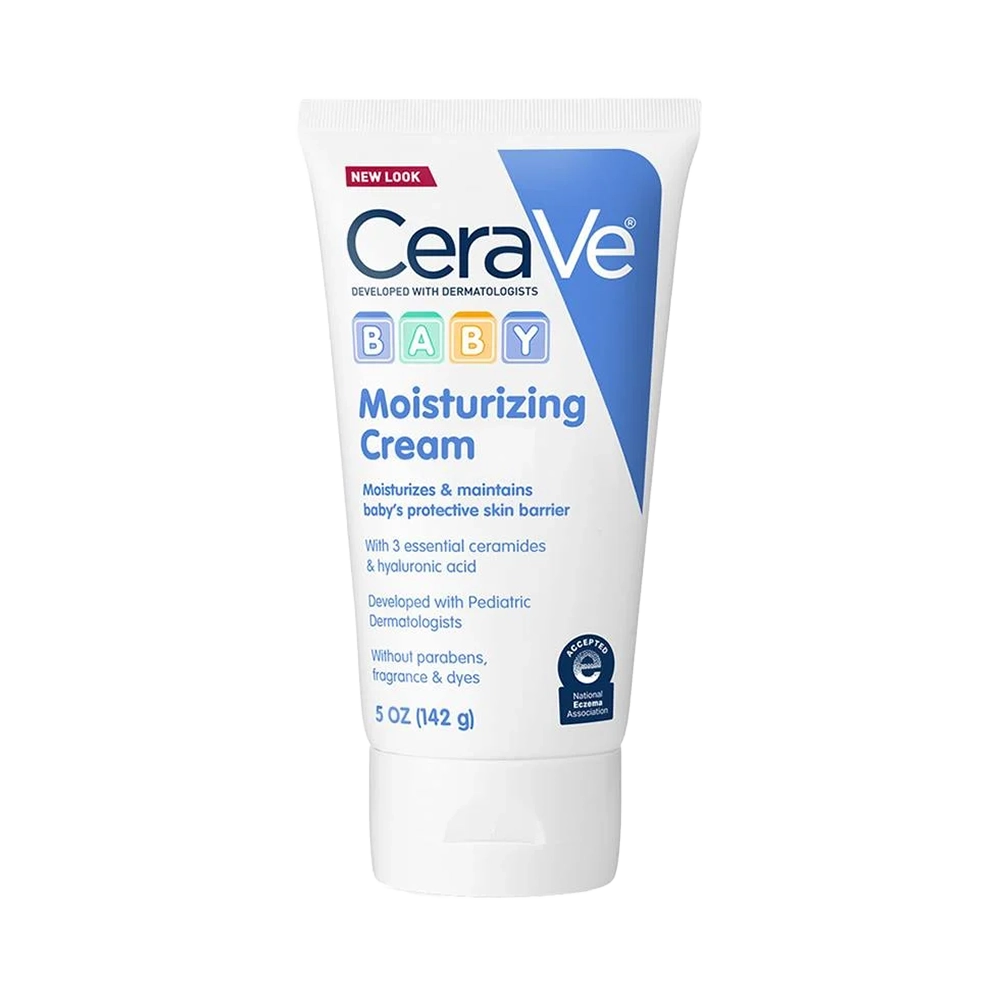
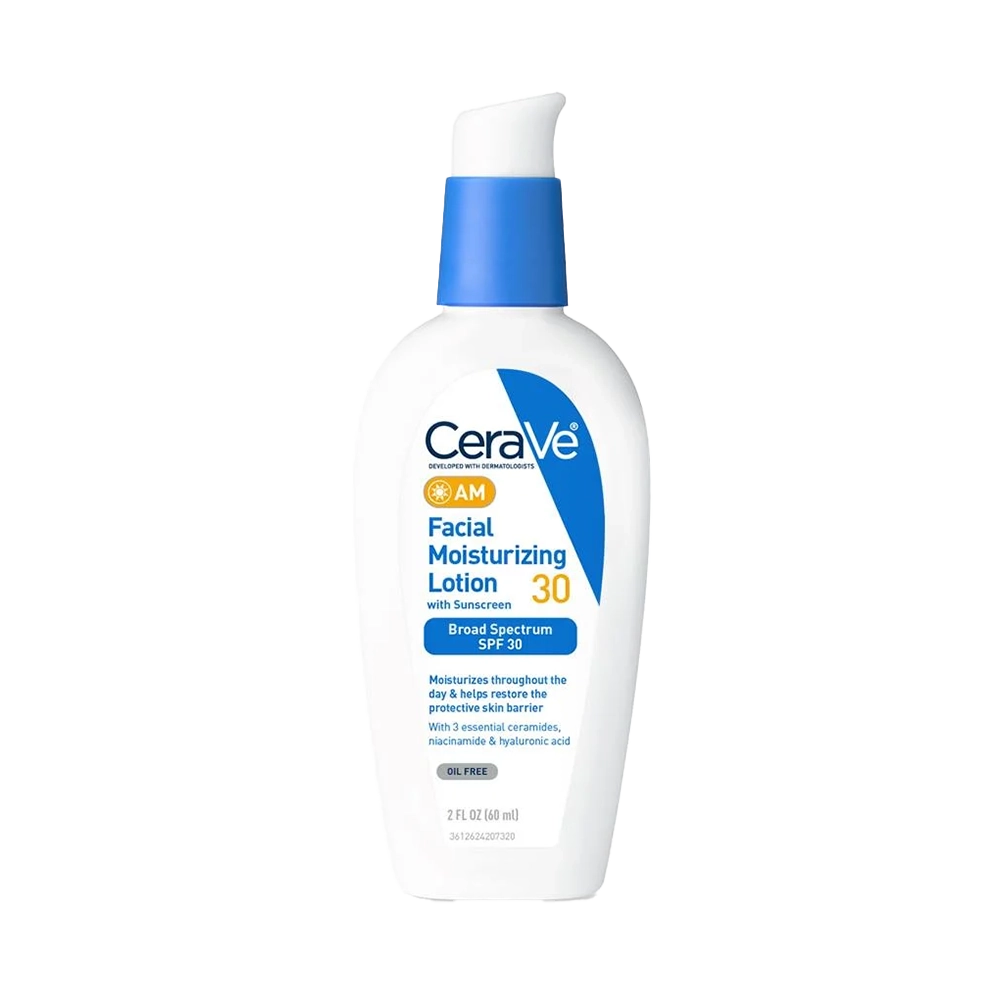
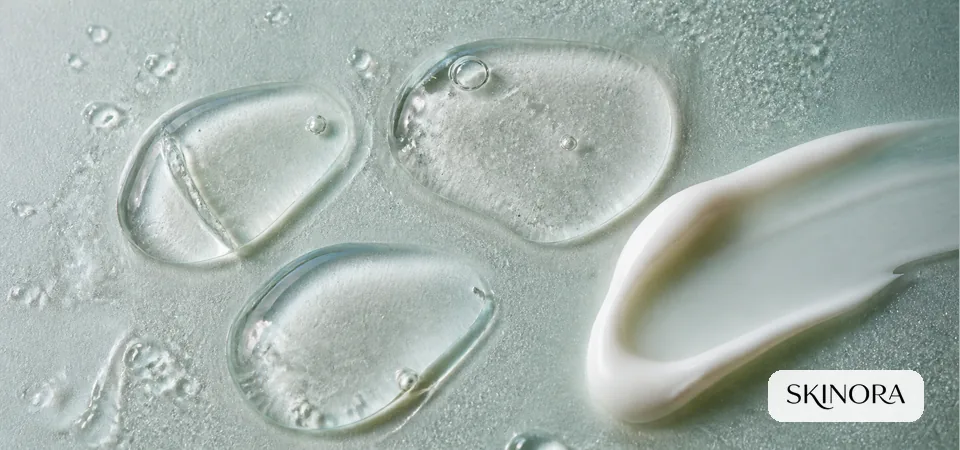
The first is a dedicated serum; the second is a moisturiser. Choose the format your routine actually needs and check current availability on the product page.