

Must-Have Makeup Essentials
Step into a world where ethereal beauty meets timeless elegance – the world of moonstone jewelry. With its enchanting play...
read more 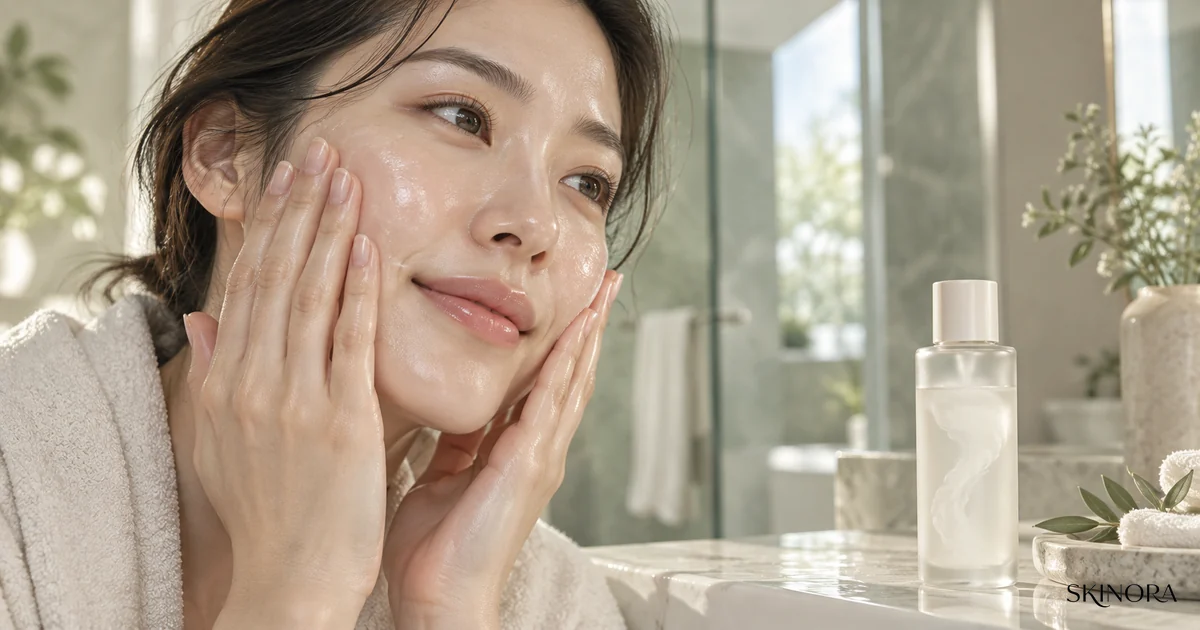
Milky toners and milky essences are filling 2026 skincare shelves and routine videos. They promise the comfort of a light moisturiser with the easy spread of a toner. The appeal is real for people who dislike heavy creams, but the category names are not standardised. One brand’s toner can be richer than another brand’s essence, so the ingredient list and texture matter more than the word on the front.
A traditional hydrating toner is usually very fluid and used after cleansing. An essence is often slightly more viscous and positioned as a treatment-prep step. A skin milk or milky toner usually contains a water phase plus tiny droplets of emollient oils or lipids that create the cloudy appearance. None of these labels guarantees a particular concentration or benefit.
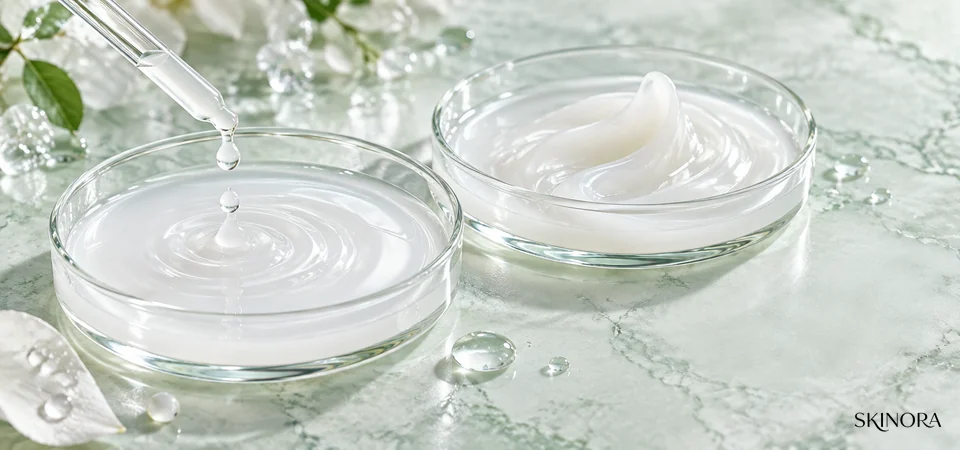
The trend differs from Korean toner pads, which add a pad and may be either hydrating or exfoliating. A milky liquid is usually pressed or swept onto the skin without needing a pad.
The effect comes from the whole formula. Humectants such as glycerin or hyaluronic acid attract water. Emollients soften the surface. Ceramides, fatty acids or cholesterol may support the lipid barrier when present in a useful formula. Soothing ingredients can improve comfort. The pearly colour itself does not prove that a product repairs the barrier.
For dry or dehydrated skin, a milky layer can add comfort without the weight of another full cream. Combination skin may use it alone under sunscreen in humid weather and add moisturiser only to dry areas. Very oily skin may prefer a watery essence. Fragrance-sensitive skin should still check the complete list.
Apply from thinnest to thickest, while allowing the product’s actual texture to guide you:
One layer is enough to judge the product. The viral skin-flooding style of repeated layers can feel good on dry skin, but it is not automatically more effective and may cause pilling under sunscreen or makeup. If layers roll into crumbs, use our guide to sunscreen pilling and reduce the number or amount of products.
Usually not. Choose one hydrating step unless each product has a distinct purpose and your skin tolerates the combination. A milky essence can replace a separate toner, and in warm weather it may reduce the amount of moisturiser you need. It cannot replace sunscreen.
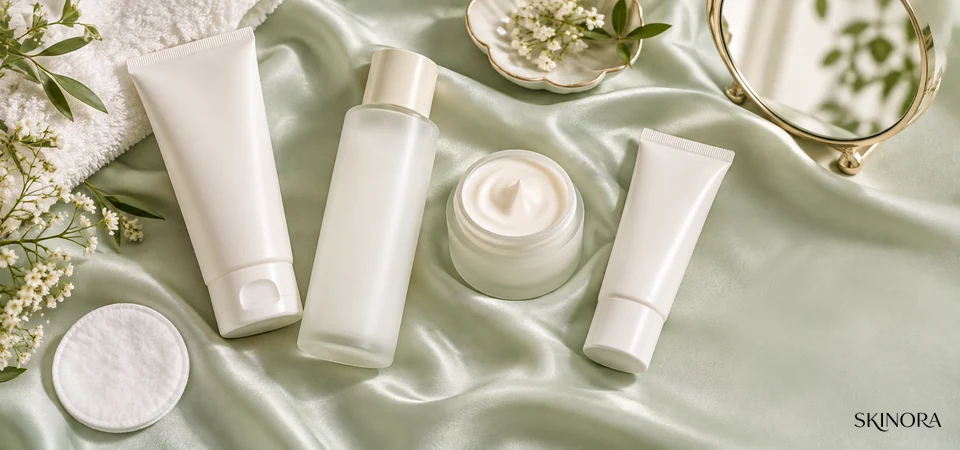
The Multi-Active Delivery Essence is an in-stock example of an essence-format product on Skinora. Read its ingredient list and directions as its own formula rather than treating every milky essence as equivalent.
For dryness, look for glycerin, panthenol, squalane and barrier lipids. For congestion-prone skin, favour a light formula and introduce it without adding several other products. For sensitive skin, minimise fragrance and unnecessary botanical complexity; the sensitive-skin routine gives a simple baseline.
Patch test and stop if you develop persistent burning, swelling or a spreading rash. If a product stings only because the skin is already over-exfoliated, adding more hydrating layers will not solve the underlying problem. Scale back and review how often to exfoliate.
Milky toners and essences are a useful texture innovation, not a mandatory new category. They work best when they simplify the routine by combining light hydration and emollience in one step. Pick by formula, use one sensible layer and keep moisturiser or SPF according to your skin’s needs.