

Niacinamide for Skin: Benefits, Strengths and How to Use It
Niacinamide is a versatile form of vitamin B3 used in serums and moisturizers. It can support barrier function, hydration and...
read more 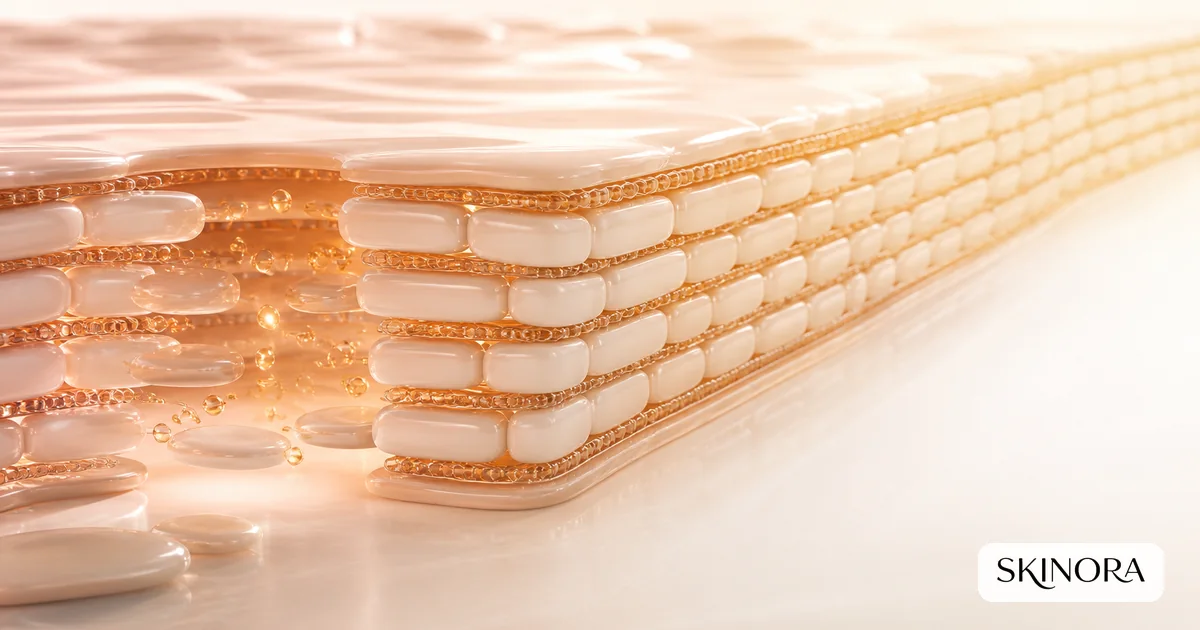
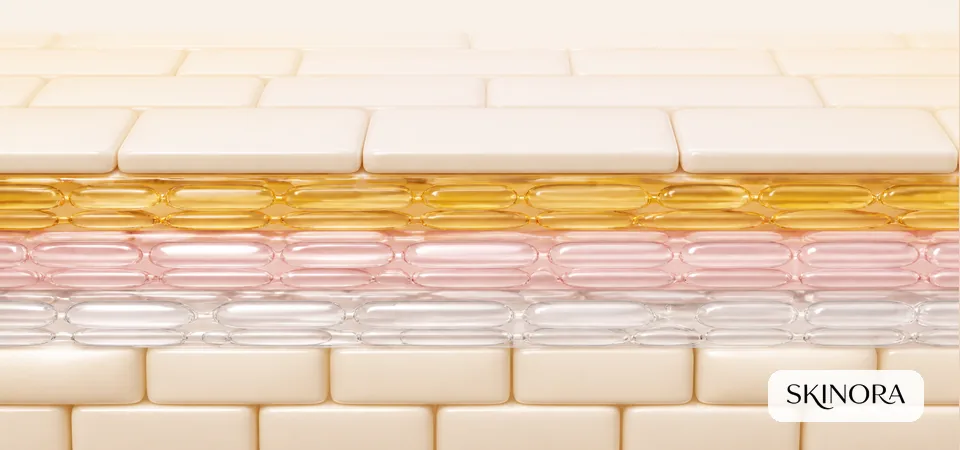
Ceramides are lipids naturally found between cells in the outer skin layer. Together with cholesterol and free fatty acids, they help form the organised barrier that slows water loss and limits the entry of irritants. Ceramide skincare is especially relevant when skin is dry, tight or easily irritated.
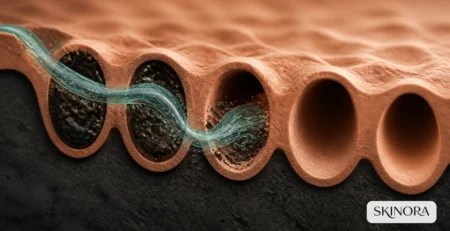
Think of outer skin cells as bricks and intercellular lipids as the material that fills the gaps. Ceramides are a major part of that lipid system. When the barrier is disrupted, water escapes more easily and ordinary products may sting.
A well-formulated moisturiser can temporarily support this barrier and improve comfort. It does not diagnose or cure eczema, and severe or persistent symptoms need medical care.
Oily skin can use ceramides too. Choose a lotion or gel-cream if rich creams feel heavy.
Good moisturisers often combine:
The complete formula matters more than the number of ceramide types printed on the label. Formulation quality affects how lipids organise and perform.
Apply after cleansing and treatment products, once or twice daily according to need. Slightly damp skin can help preserve water, but do not layer over dripping-wet skin. In the morning, finish with sunscreen.
During a barrier flare, simplify the routine: gentle cleanser, ceramide or other bland moisturiser, and sunscreen. Pause optional exfoliants until the skin is comfortable.
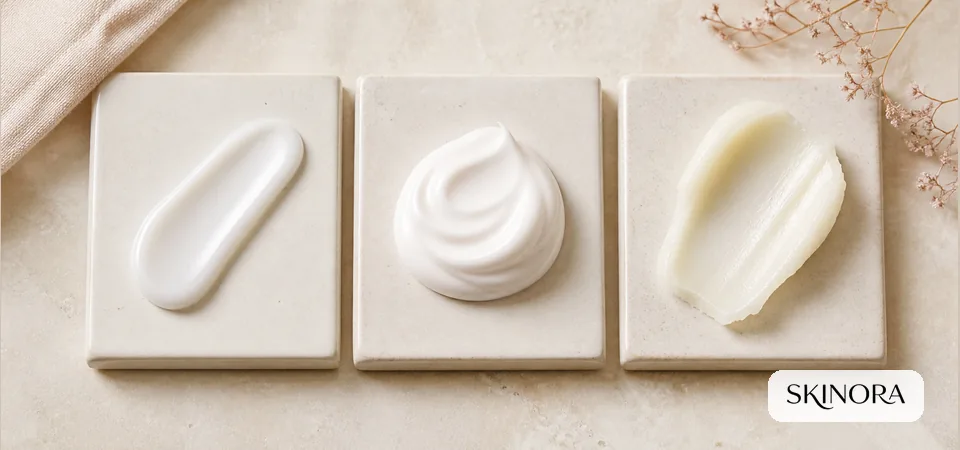
They do different jobs. Hyaluronic acid is mainly a humectant that supports hydration near the surface. Ceramides are lipids that support the barrier structure. A single product can contain both.
Review each live ingredient list and choose by texture and skin need rather than the largest marketing claim.
Seek medical advice for severe itching, oozing, crusting, swelling, painful cracking, suspected infection or a rash that persists despite gentle care.