
Niacinamide for Skin: Benefits, Strengths and How to Use It
Niacinamide is a versatile form of vitamin B3 used in serums and moisturizers. It can support barrier function, hydration and...
read more 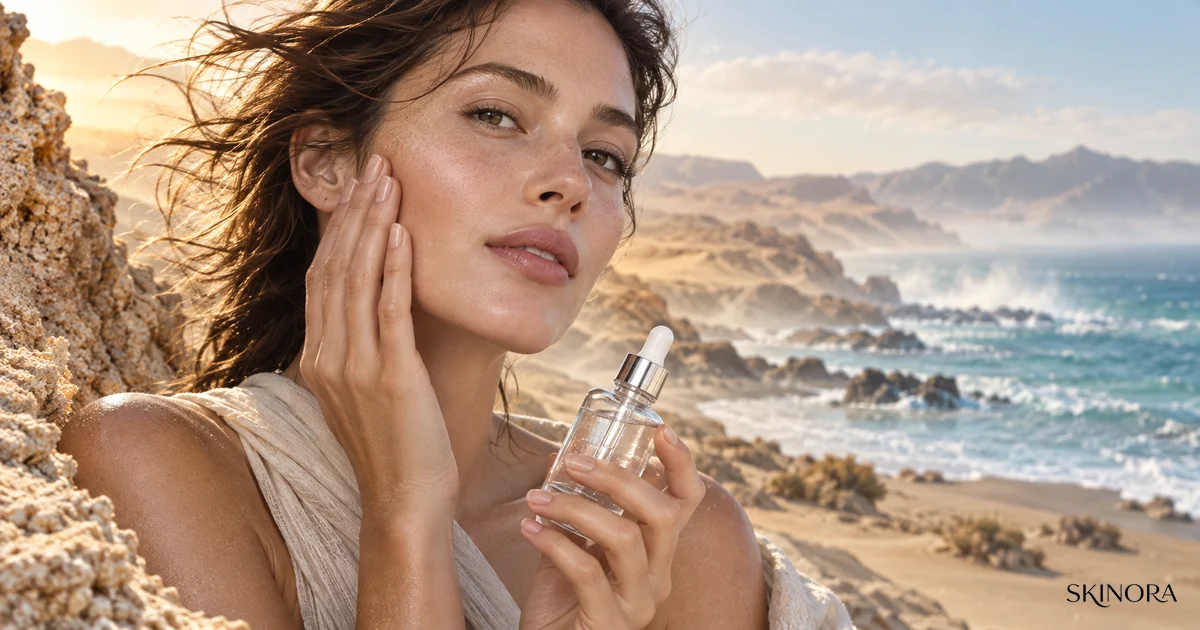
Ectoin is one of the barrier-focused ingredients gaining attention in 2026. It began as a protective molecule made by microorganisms that survive salt, heat and dryness, then moved into eye drops, nasal products and topical skin formulas. In skincare, its most realistic role is helping a formula hold water and support comfort when the barrier feels dry or stressed.
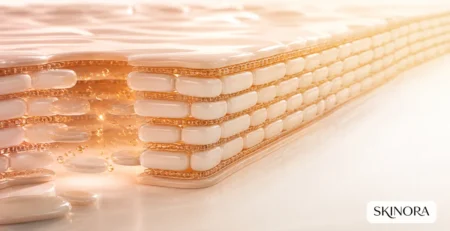
Ectoin is an extremolyte, a small molecule used by certain microorganisms to protect proteins and cell membranes under harsh conditions. It has a strong relationship with surrounding water molecules, often described as a hydration shell. On skin, that does not mean it creates an invisible shield against every environmental stress. It means a well-formulated product may reduce water loss, improve hydration and help the outer barrier tolerate stress.
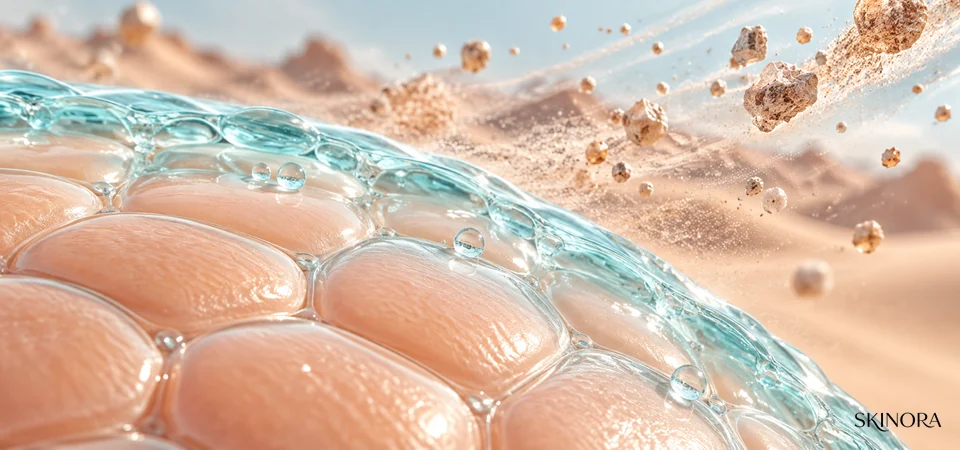
This makes ectoin relevant to the same routine questions covered in our damaged-barrier guide. It is not a replacement for the lipids and occlusives in a suitable moisturiser, but it can complement them.
A systematic review found six clinical studies of ectoin-containing topical products for inflammatory conditions with an impaired barrier. Formulas containing 5.5% to 7% ectoin were associated with improvements in dryness, itch and dermatitis scores and were generally well tolerated. The evidence is encouraging, although several studies were small and products contained more than ectoin alone.
Older in-vivo work also reported lower transepidermal water loss after an ectoin emulsion. Laboratory and small human studies are exploring antioxidant and photoprotection-related effects, but ectoin must not be treated as sunscreen. UV filters, sufficient application and reapplication still do the main protective work.
Ectoin may suit dry, dehydrated or easily uncomfortable skin, frequent travellers, people exposed to heated or air-conditioned rooms and anyone simplifying a routine after over-exfoliation. It can also be considered by sensitive skin, provided the complete formula is suitable. Our sensitive-skin routine remains the safer framework: few products, slow changes and no pressure to use every new active.
The ingredient is not automatically necessary for oily skin. Dehydrated oily skin may appreciate a light ectoin serum, while another person may prefer glycerin, panthenol or hyaluronic acid. If humectants already work well for you, the guide to hyaluronic acid on damp skin may be all you need.
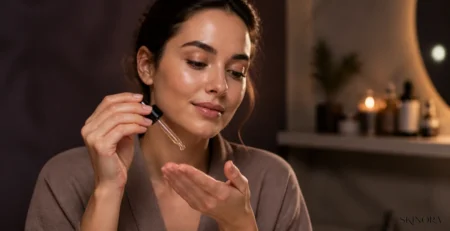
Use the product according to its texture rather than forcing a special ectoin rule:
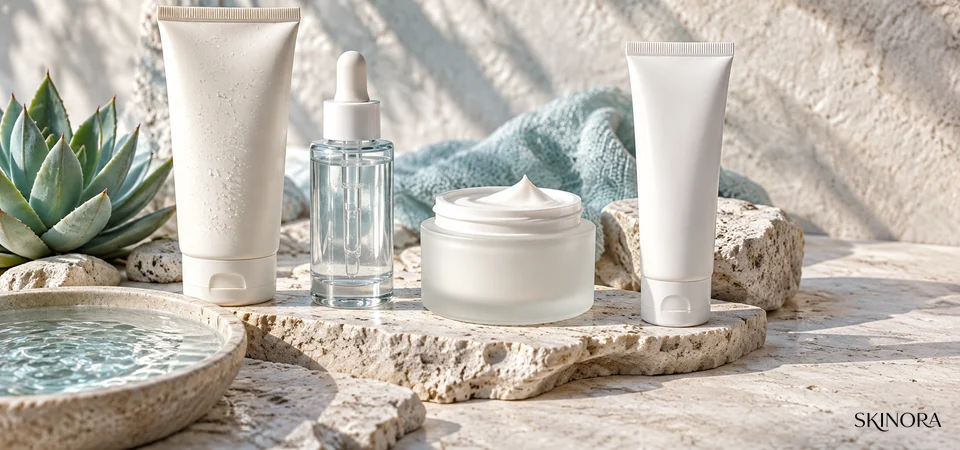
Once or twice daily is usually reasonable when the label allows it. Patch test if the formula also contains fragrance, acids or many botanical extracts. You generally do not need to separate ectoin from niacinamide, peptides, vitamin C or retinoids, but irritated skin benefits from introducing only one new product at a time.
Ectoin may appear as Ectoin in the ingredient list. Concentration is not always disclosed, so judge the complete formula: humectants, emollients, barrier lipids, fragrance and packaging all matter. Avoid assuming a higher percentage is automatically better, because most cosmetic products have not been compared head to head.
Stop if burning, swelling, hives or a spreading rash develops. Persistent cracking, oozing or severe itch can signal dermatitis that needs professional assessment.
Ectoin is a credible supporting ingredient for hydration and barrier comfort, with more useful evidence than many sudden viral actives. Its value still depends on the finished formula and your routine. Keep the basics first: gentle cleansing, moisturiser and daily sunscreen applied in the correct order.