
LED Face Masks: Do Red and Blue Light Devices Really Work?
Home LED masks have moderate evidence for some acne and rejuvenation uses, but results depend on...
Continue Reading
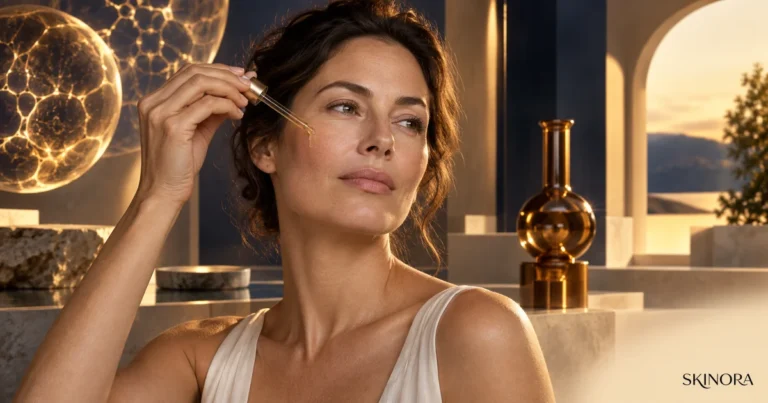
Growth Factors in Skincare: Evidence, Limits and Routine Use
Topical growth-factor formulas may modestly improve texture and fine lines, but studies use different sources and...
Continue Reading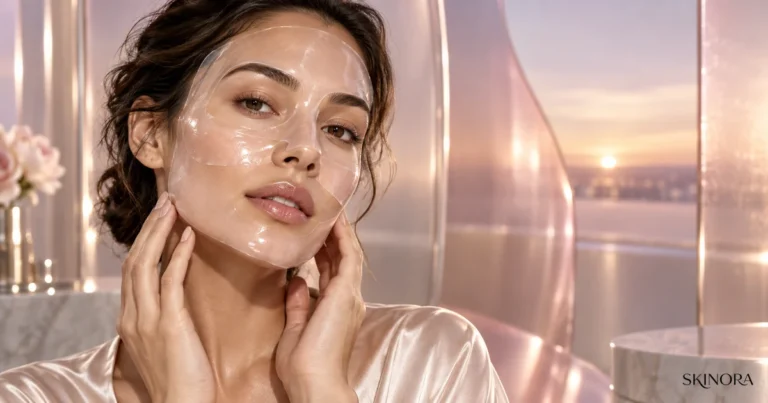
Collagen Masks and Creams: What the Viral Products Actually Do
Collagen masks can make skin look temporarily plumper by hydrating and reducing water loss. That surface...
Continue Reading
Spicule Skincare and Reedle Shots: How the Viral Trend Works
Spicule serums use microscopic sponge-derived structures to temporarily disturb the outer skin barrier and improve ingredient...
Continue Reading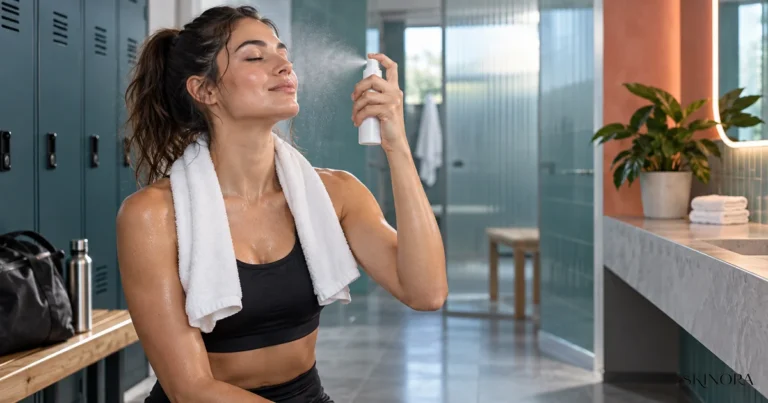
Hypochlorous Acid Spray for Skin: What It Does and How to Use It
Hypochlorous acid facial sprays are trending as a quick, gentle option after exercise or during irritation-prone...
Continue Reading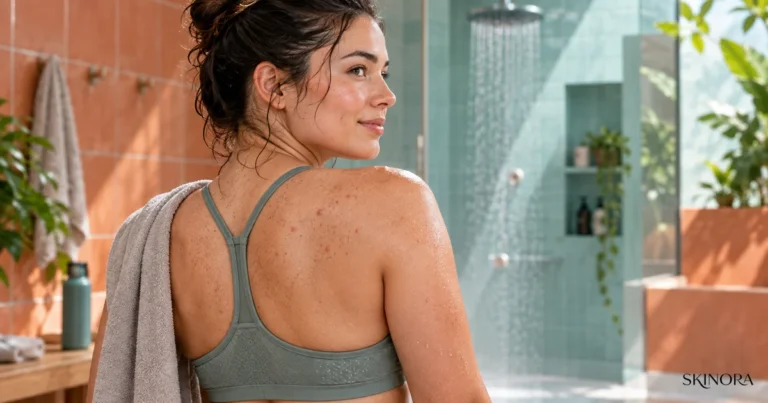
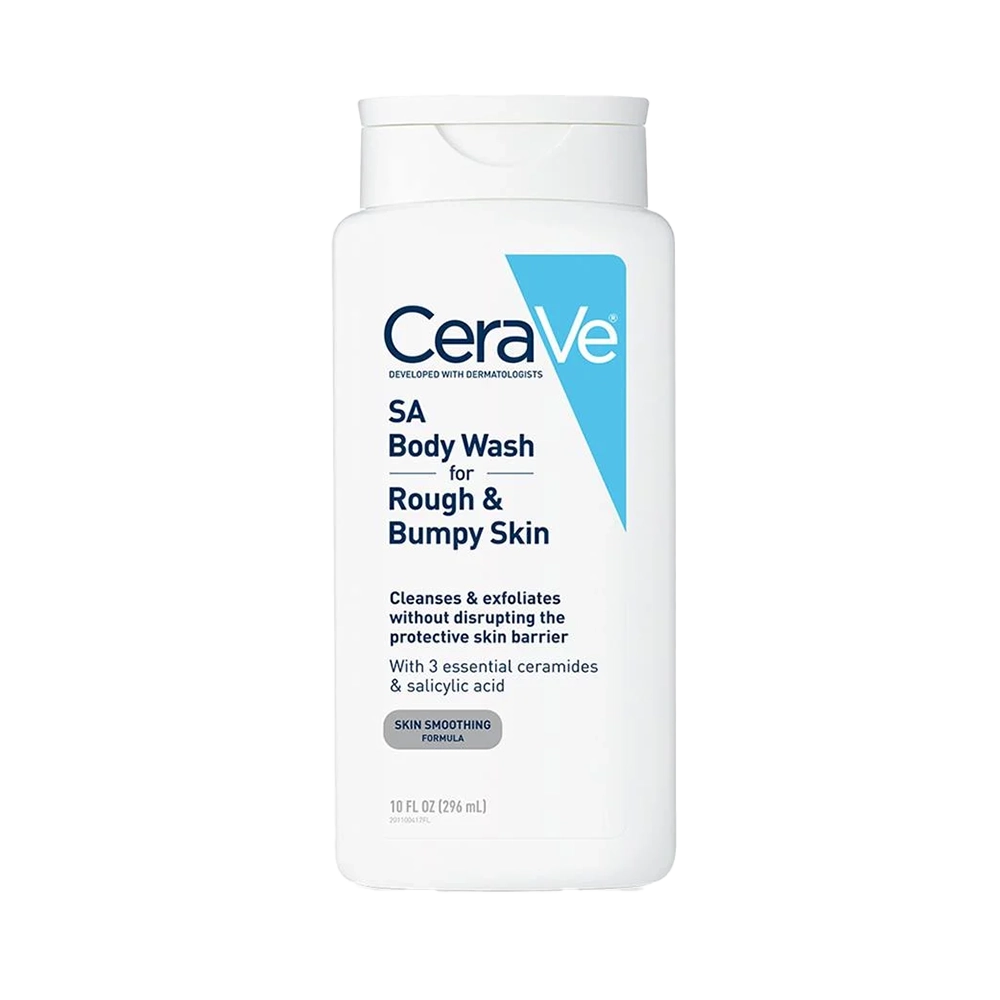
Body Acne Routine: A Practical Plan for Back and Chest Breakouts
Body acne needs consistent treatment and low-friction habits, not aggressive scrubbing. Start with one proven active...
Continue Reading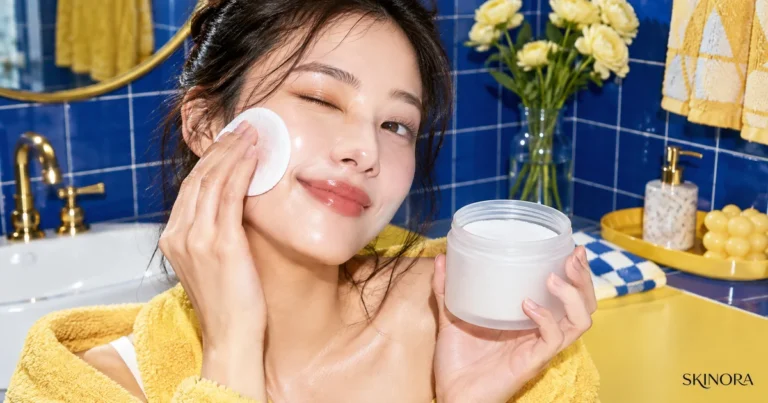
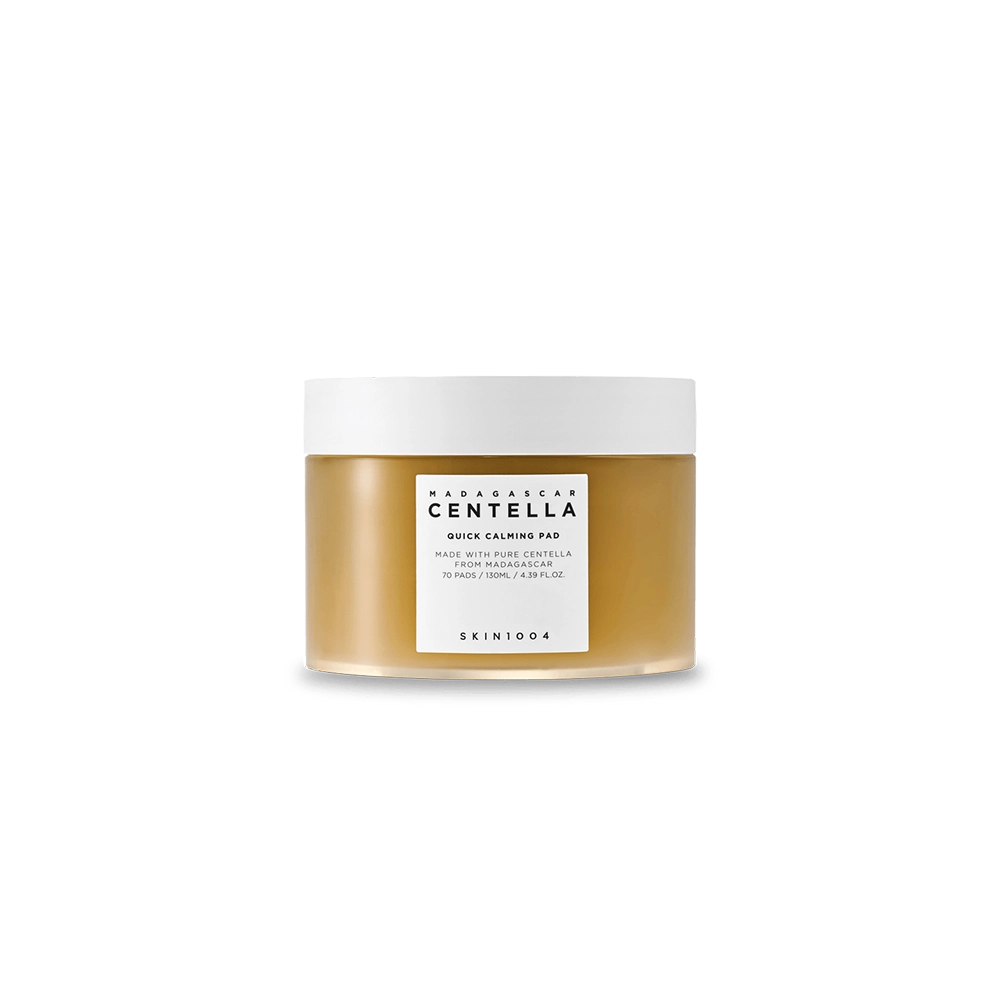
Korean Toner Pads: Hydrating vs Exfoliating and How to Use Them
Korean toner pads are pre-soaked discs, not one single product type. The formula matters more than...
Continue Reading
PDRN Skincare: What It Is and What Topical Products Can Do
PDRN is a fast-growing Korean skincare trend, but evidence from injections does not automatically prove that...
Continue Reading
Peptides in Skincare: What They Can and Cannot Do
Peptides are short chains of amino acids used in formulas for smoother, firmer-looking skin. Promising research...
Continue Reading
Azelaic Acid for Acne, Redness and Dark Spots: A Practical Guide
Azelaic acid is a versatile topical ingredient for acne, inflammation and post-acne marks. The best results...
Continue Reading