

Niacinamide for Skin: Benefits, Strengths and How to Use It
Niacinamide is a versatile form of vitamin B3 used in serums and moisturizers. It can support barrier function, hydration and...
read more

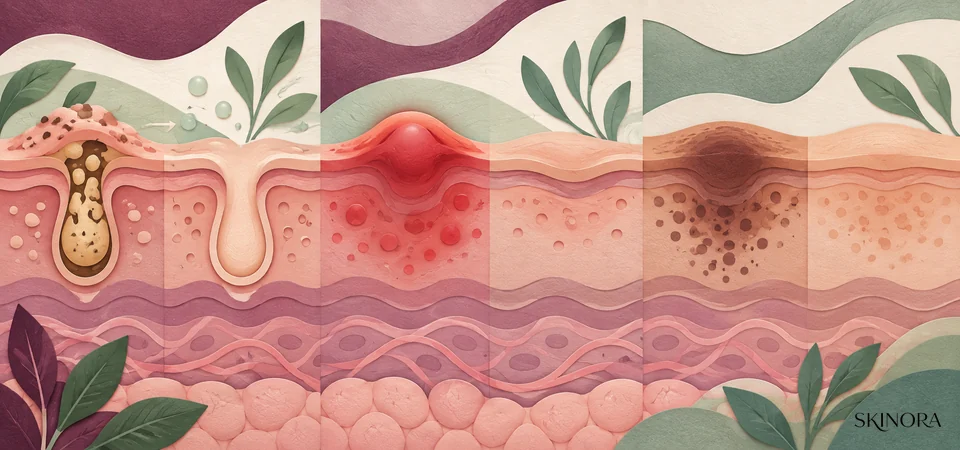
Azelaic acid has become one of the most searched multi-purpose skincare ingredients because it addresses several concerns without requiring an elaborate routine. It can help keep pores clear, reduce acne-related inflammation and gradually improve the dark marks left after spots. It is not an overnight cure, and concentration, formulation and consistent use all matter.
Azelaic acid is a naturally occurring dicarboxylic acid used in both cosmetic and prescription products. Dermatology guidance describes several relevant actions: it helps unclog pores, limits acne-associated bacteria and reduces inflammation. It can also interfere with excess pigment production, which is why it is often considered for post-inflammatory hyperpigmentation.
These benefits do not make every azelaic acid product equivalent. Prescription medicines and cosmetic formulas can have different concentrations, vehicles and tested uses. A product sold for skincare should not be treated as a substitute for medical care.
Azelaic acid is most relevant when the routine needs to address more than one of these concerns:
It may be a practical option for people who find strong exfoliating acids difficult to tolerate. That does not mean it is irritation-free. Stinging, dryness and itching can occur, especially when it is introduced too quickly or layered with several active products.
For persistent facial redness, visible blood vessels, painful lesions or a rash around the mouth or eyes, seek a dermatologist’s assessment. Rosacea and other conditions can resemble ordinary sensitivity.
Start on clean, dry skin two or three evenings per week. Use the amount directed on the current product label, then apply moisturiser. If the skin remains comfortable, increase frequency gradually. Some formulas are suitable once or twice daily, but more frequent application is not automatically more effective.
A simple routine looks like this:
Morning
Evening
The Ordinary Azelaic Acid Suspension 10% was verified as published and in stock when this guide was prepared. It is one example of a cosmetic 10% suspension; follow its current directions rather than copying the schedule of a prescription product.
Azelaic acid can share a broader routine with niacinamide, retinoids or exfoliating acids, but tolerance decides the schedule. If you are new to actives, begin with azelaic acid alone. Once the routine is stable, introduce only one additional active at a time.
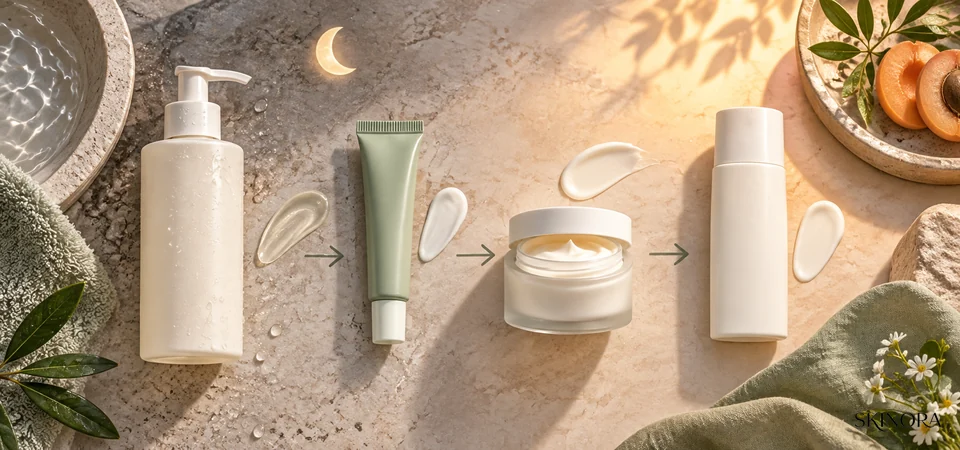
Separate strong acids or retinoids from azelaic acid at first if the combination stings. Alternating evenings is usually easier to evaluate than stacking everything in one session. Our guide to using niacinamide with retinol and the article on retinol purging versus irritation explain how to keep a multi-active routine easier to assess.
Acne and redness do not improve on the same timeline as dark marks. Some people notice fewer inflamed spots after several weeks, while uneven pigment often needs longer. Take a photograph once a month in similar lighting instead of judging the skin every day.
Daily sunscreen is essential when the goal is to fade marks. UV and visible light can keep post-inflammatory pigment active even when the treatment itself is suitable. Read our guide to sunscreen order if layering becomes confusing.
Stop and seek advice if you develop marked swelling, hives, blistering, severe burning or rapidly worsening redness. Deep, painful or scarring acne also needs professional care.