
Niacinamide for Skin: Benefits, Strengths and How to Use It
Niacinamide is a versatile form of vitamin B3 used in serums and moisturizers. It can support barrier function, hydration and...
read more
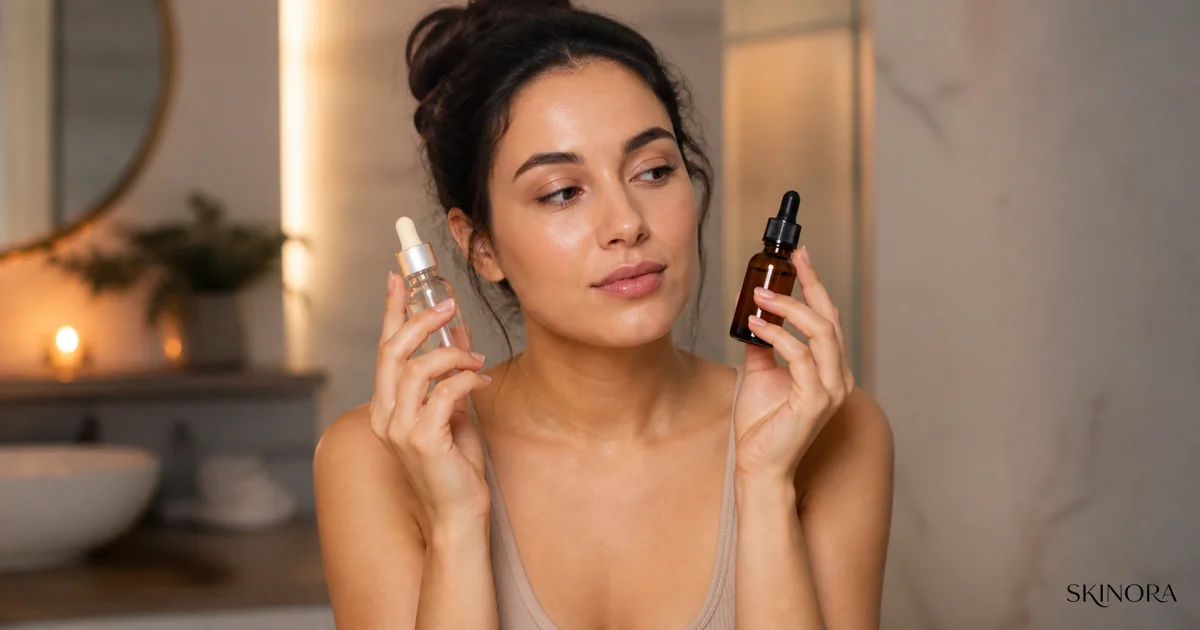
Salicylic acid and glycolic acid both exfoliate, but they solve different problems. Salicylic acid is usually the more practical choice for oily skin, blackheads and clogged pores. Glycolic acid is often chosen for rough surface texture, dullness and uneven-looking tone. You do not need both to begin.
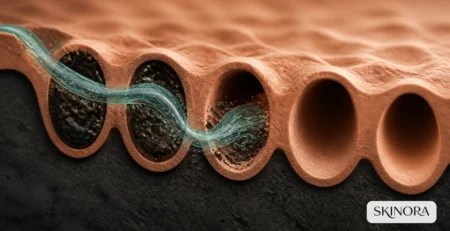
Salicylic acid is a beta hydroxy acid. Its oil-compatible character helps it move through sebum and loosen material inside clogged pores. The American Academy of Dermatology includes salicylic acid among established non-prescription options for whiteheads and pimples.
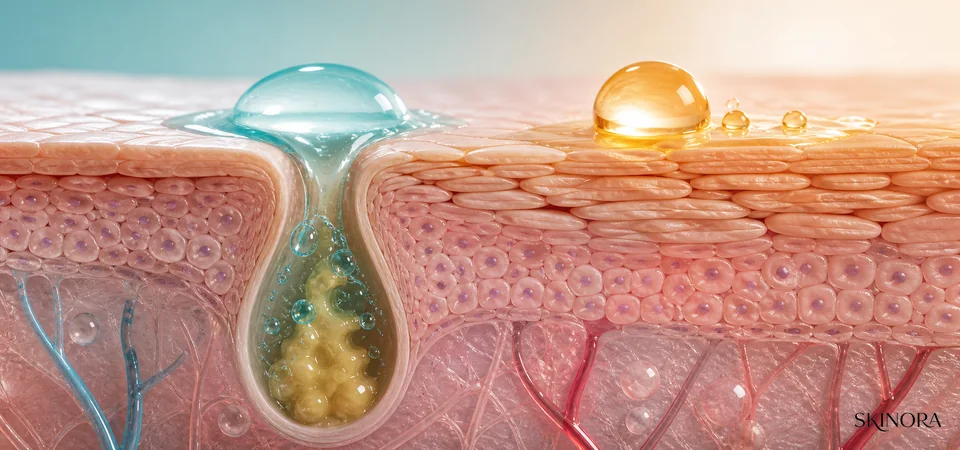
Glycolic acid belongs to the alpha hydroxy acid family. It works mainly at the skin surface by reducing the bonds between older outer cells. This can make roughness look smoother and help an uneven tone appear more refined over time.
Neither acid is automatically stronger in every formula. Concentration, pH, contact time and the rest of the product determine how intense it feels.
Salicylic acid fits routines where the main concerns are blackheads, closed comedones, oily areas or recurring congestion. It can be used in a cleanser or a leave-on product. A wash-off cleanser is often easier for reactive skin; a leave-on formula gives longer contact and may feel stronger.
The Ordinary Salicylic Acid 2% Solution is a verified in-stock leave-on option at Skinora. Start on one or two evenings each week rather than assuming daily use is necessary.
Glycolic acid may be more relevant when skin feels rough, looks dull or has visible post-blemish marks at the surface. Because glycolic acid has a small molecular size, some people find it more irritating than gentler AHAs. Dry or sensitive skin should approach it cautiously.
The Ordinary Glycolic Acid 7% Exfoliating Toner is available in the current catalog. A product name does not set your ideal frequency: tolerance does.
Do not layer salicylic acid, glycolic acid, a strong peel and a retinoid in the same beginner routine. Using more exfoliants can increase burning and flaking without producing faster results. Our safe exfoliation-frequency guide explains how to set a starting rhythm.
Reduce frequency if skin becomes persistently tight, shiny-dry, red or sore. Stop and seek professional advice for swelling, blistering or a severe reaction. At-home acids are cosmetic products, not a treatment plan for painful or scarring acne.