

Niacinamide for Skin: Benefits, Strengths and How to Use It
Niacinamide is a versatile form of vitamin B3 used in serums and moisturizers. It can support barrier function, hydration and...
read more

Not every breakout after starting retinol is “purging.” The term is popular online but not a precise diagnosis, and a review of topical retinoid trials found little primary evidence that retinoids routinely cause an initial acne flare. Burning, diffuse redness, itching, swelling and raw peeling are stronger signs of irritation and should not be treated as a necessary phase.
Purging usually describes a temporary increase in blemishes after an ingredient that changes cell turnover is introduced. The expected pattern is often said to occur in areas where breakouts already happen and then settle as the routine continues.
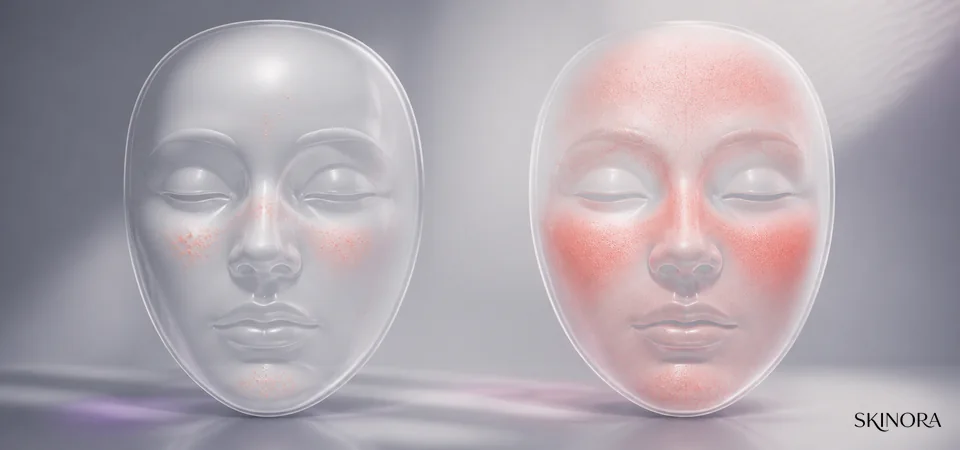
That explanation is not a licence to ignore worsening skin. Acne naturally fluctuates, a new formula can clog or irritate, and several simultaneous product changes make the cause impossible to identify. Even FDA labelling for adapalene notes that acne may appear worse early, while separately warning that redness, dryness, burning and peeling are irritation.
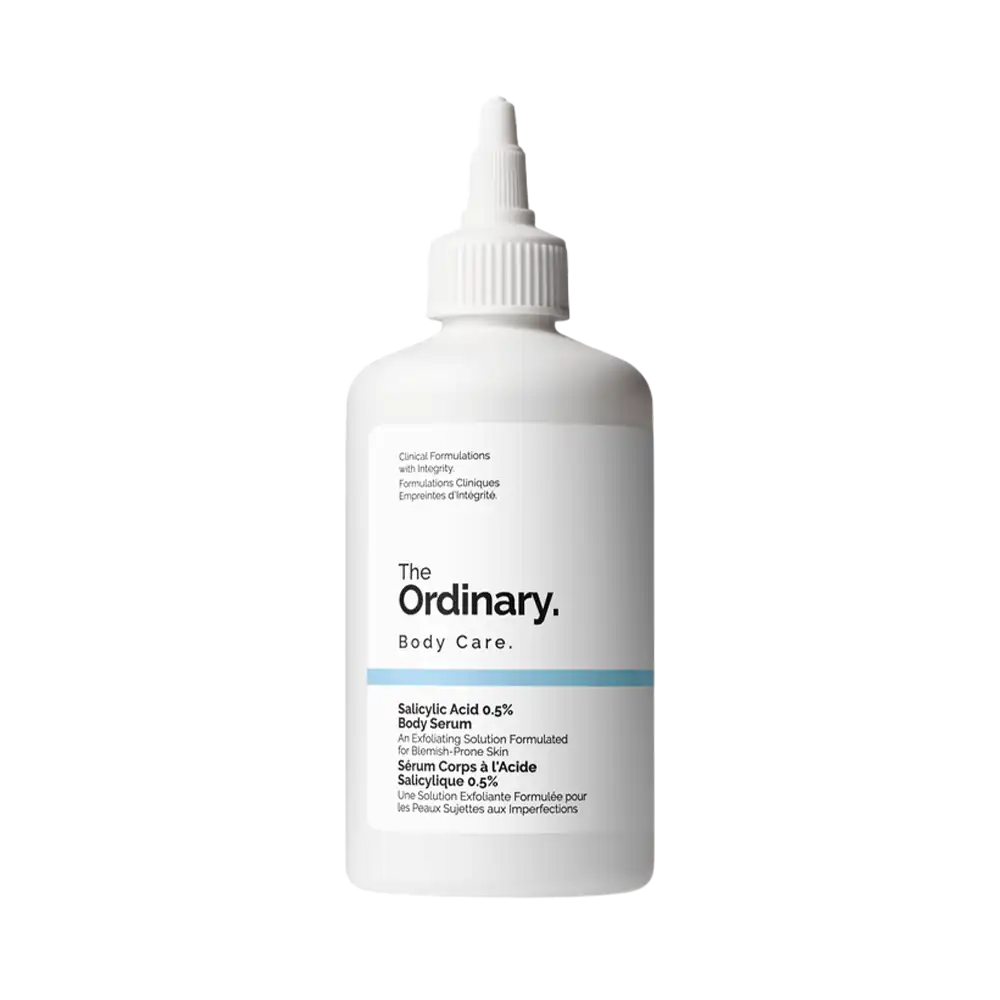
Cosmetic retinol is also not identical to an approved acne medication. The Ordinary Retinol 0.2% in Squalane is verified as in stock, and its current product information explicitly states that it is not an acne treatment.
Irritation often appears across the mouth, nose folds, eyelids or neck because these areas are more vulnerable. Stop applying retinol there unless the product instructions specifically say otherwise.
A few blemishes in familiar acne-prone areas, without burning or diffuse redness, may be observed cautiously. Photograph the skin in the same light once a week and note every product used. Day-to-day mirror checking can exaggerate normal fluctuation.
Painful cysts, scarring, a rapidly spreading eruption or acne that continues to worsen should not be self-labelled as purging. A dermatologist can distinguish acne, irritant dermatitis, allergy and other conditions.
When restarting a cosmetic retinol, a small amount once or twice weekly may be enough at first. Apply it to fully dry skin and use moisturiser before or after if needed. Do not combine multiple retinoids. The beginner retinol guide covers a conservative starting schedule.
Online advice often suggests waiting a fixed four, six or eight weeks. Reaction type matters more than a countdown. Severe irritation is not made safe by being “early,” and a product that causes repeated burning does not need to be endured to prove commitment.
If you use a prescription retinoid for acne, follow the prescriber’s instructions before adjusting it. Pregnancy and breastfeeding require product-specific medical advice; Skinora’s verified retinol product information recommends avoiding retinoids during these periods.
Stop the product and get medical help for facial swelling, hives, blistering, severe pain, eye involvement or breathing difficulty. Arrange a dermatology review for persistent irritation, painful acne or scarring.