

Niacinamide for Skin: Benefits, Strengths and How to Use It
Niacinamide is a versatile form of vitamin B3 used in serums and moisturizers. It can support barrier function, hydration and...
read more

Niacinamide and retinol can be used in the same routine. There is no established incompatibility that requires separating them. Niacinamide supports barrier function and may improve comfort, while retinol targets cell turnover and signs such as uneven texture. Irritation is still possible, especially when retinol is new or the complete formulas contain other strong actives.
Niacinamide is a form of vitamin B3 used in many serums and moisturisers. Cosmetic research links it with barrier support, reduced water loss and improvements in the appearance of uneven tone and oiliness. Higher percentages are not automatically better for sensitive skin.
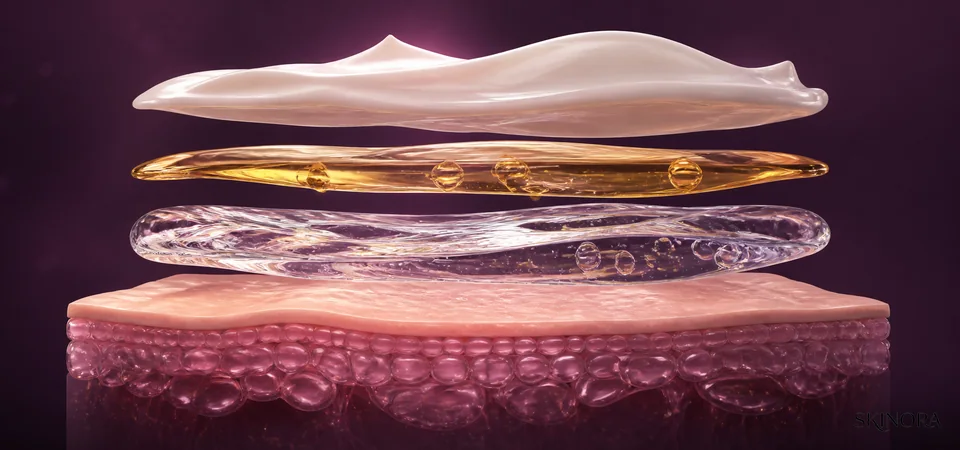
Retinol is an over-the-counter retinoid. Skin converts it through several steps before it reaches retinoic acid, the active form. Results take time, and early dryness, peeling or stinging is common when frequency rises too quickly.
Layer in the same evening: apply a watery niacinamide serum to clean, dry skin, let it settle, then apply retinol according to its formula and finish with moisturiser.
Split morning and evening: use niacinamide in the morning and retinol at night. This keeps the evening routine shorter and often reduces pilling.
Alternate nights: use retinol on two evenings and niacinamide on the others. This is the simplest option for reactive skin or a beginner.
Product order is usually guided by texture, from thinner to richer. An oil-based retinol often comes after watery serums and before or mixed with the moisturising step, but the manufacturer’s directions take priority.
Begin retinol on two non-consecutive nights each week. Keep the amount small and apply it to dry skin. If you already tolerate niacinamide, it can remain in the routine; avoid introducing both products for the first time on the same evening because you will not know which one caused a reaction.
The Ordinary Niacinamide 10% + Zinc 1% and The Ordinary Retinol 0.2% in Squalane are verified in stock. A low retinol percentage is still active, while a 10% niacinamide formula may be more than some dry skins need.
The “retinol sandwich” method can help sensitive skin: moisturiser, a small amount of retinol, then another thin layer of moisturiser. It may slightly buffer penetration, but a routine you can tolerate is more useful than one you repeatedly stop.
Retinoids need additional caution during pregnancy or breastfeeding; discuss use with a qualified clinician. Seek dermatology care for severe acne, eczema flares or a strong reaction rather than trying to solve the problem by adding more actives.